An OEM parts endorsement Toyota guarantees your insurance will cover genuine Toyota parts for repairs, preserving your vehicle’s warranty, safety standards, and resale value, though it may involve a slightly higher premium for this specific original equipment coverage.
Advertisement
OEM parts endorsement Toyota tends to pop up only after a fender-bender—right when stress is highest. Ever wondered why some drivers swear by that tiny line item while others shrug? Stay with me and we’ll unpack what insurers rarely spell out.
how an oem endorsement works in your auto policy
Think of an OEM endorsement as an extra layer on your car insurance policy. It’s a specific add-on you choose. What does it do? It basically tells your insurance company: “Hey, if my Toyota needs fixing after an accident, I want you to use brand-new parts made by Toyota.” This ensures you get original equipment coverage. This is different from a standard policy where insurers might opt for cheaper, non-original parts to cut costs.
How It Plays Out During a Claim
So, you’ve got this endorsement and, unfortunately, you’re in a fender-bender. When you file a claim, this endorsement means the repair shop will be authorized to use genuine OEM parts. Even if these parts cost more than aftermarket options, your policy, thanks to this endorsement, will cover them. You pay a bit more on your premium for this peace of mind, ensuring your car gets repaired with parts that match its original build and quality. It’s like having a special instruction for part quality in your insurance agreement.
cost difference: endorsement fee versus paying out of pocket
When deciding on an OEM parts endorsement for your Toyota, you’re essentially weighing two financial paths. There’s the consistent, smaller endorsement fee added to your insurance premium. Then there’s the potential for a much larger, one-time paying out of pocket expense if you want OEM parts after an accident but don’t have the endorsement.
Understanding the Endorsement Fee
The OEM endorsement typically adds a bit to your regular insurance payment. This extra cost can vary, often ranging from a few dollars to a more noticeable amount per policy term, depending on your insurer and vehicle. It’s a predictable expense for guaranteeing original equipment coverage. You pay this fee whether you make a claim or not, so it’s an ongoing investment in maintaining your Toyota’s originality.
Advertisement
The Risk of Paying Out of Pocket
If you skip the endorsement and your Toyota needs repairs, your insurer might only cover the cost of aftermarket parts. Should you insist on genuine Toyota OEM parts, you’ll likely have to pay the difference yourself. This sum can be quite substantial, especially for critical components like sensors, body panels, or advanced lighting systems. Imagine a repair where an aftermarket part is $300, but the OEM version is $800; you’d be responsible for that $500 difference. This unexpected expense comes right when you’re already dealing with the aftermath of an accident.
So, consider this: Is the certainty of a small, regular fee better for your budget than the risk of a sudden, large bill? If keeping your Toyota all-original is important, or if you own a newer model where part compatibility is crucial, the endorsement fee might be a small price for significant peace of mind. It’s about balancing the cost of the endorsement against the potential financial hit of covering the OEM part difference yourself.
impact on toyota warranty and resale value
The parts used to fix your Toyota can do more than just repair damage. They can also affect your Toyota warranty and what your car is worth if you sell it, its resale value. This is where an OEM parts endorsement can be really helpful, ensuring original equipment coverage.
Protecting Your Toyota Warranty
Your Toyota comes with a warranty that covers problems with its original parts. If an aftermarket (non-Toyota) part is used for a repair and it causes another Toyota part to break, Toyota might say the warranty doesn’t cover that new damage. They could blame the aftermarket part for the failure. However, if you use genuine Toyota parts, especially with an insurance endorsement for original equipment coverage, you avoid this risk. The repairs use parts specifically designed and tested for your car. This makes it much simpler if you need to make a warranty claim later because there’s no question about the quality or compatibility of the replacement parts used.
Keeping a Higher Resale Value
When it’s time to sell or trade in your Toyota, having a documented history of repairs with original parts can often mean more money for you. Discerning buyers and dealerships typically prefer cars they know have been fixed with genuine Toyota parts. It’s a sign that the car was well-cared-for and restored to factory specifications. If your car was in an accident, proof of OEM repairs can be a significant selling point and provide peace of mind to the next owner. Using aftermarket parts, on the other hand, might make potential buyers hesitate or try to negotiate a lower price, potentially impacting your car’s overall resale value.
safety and performance: crash tests oem vs aftermarket
When your Toyota needs repairs, the parts used aren’t just about looks; they’re crucial for your safety and the car’s performance. Original Equipment Manufacturer (OEM) parts are the same ones Toyota used when they first built and crash-tested your vehicle. This means they are designed to work together seamlessly as part of your car’s overall safety system.
Crash Test Performance: OEM vs. Aftermarket
Think about what happens in a collision. Car manufacturers like Toyota conduct extensive crash tests to ensure their vehicles meet stringent safety standards. These tests are done with OEM parts. Parts like bumpers, fenders, and hoods are engineered to crumple and absorb impact in a specific way, protecting you and your passengers. Aftermarket parts, especially non-certified ones, may not have undergone the same rigorous testing. Some independent crash tests have shown that aftermarket structural parts can behave differently in an impact. For example, an aftermarket bumper might not absorb energy as effectively, or a replacement hood might not deform as intended, potentially altering how other safety features, like airbags, deploy. Using genuine Toyota parts helps maintain the original crashworthiness of your vehicle.
Beyond Impact: Day-to-Day Performance
It’s not just about accidents. The precise fit and finish of OEM parts also contribute to your Toyota’s everyday performance. Correctly fitting panels mean less wind noise, better aerodynamics, and proper alignment with sensors that might be embedded in them. While some high-quality aftermarket parts exist, there’s a wider variation in quality and consistency compared to OEM. An ill-fitting aftermarket part could lead to annoying rattles or even affect how your car handles. An OEM parts endorsement ensures you’re getting parts designed for optimal safety and performance in your Toyota.
navigating state laws on parts disclosure and choice
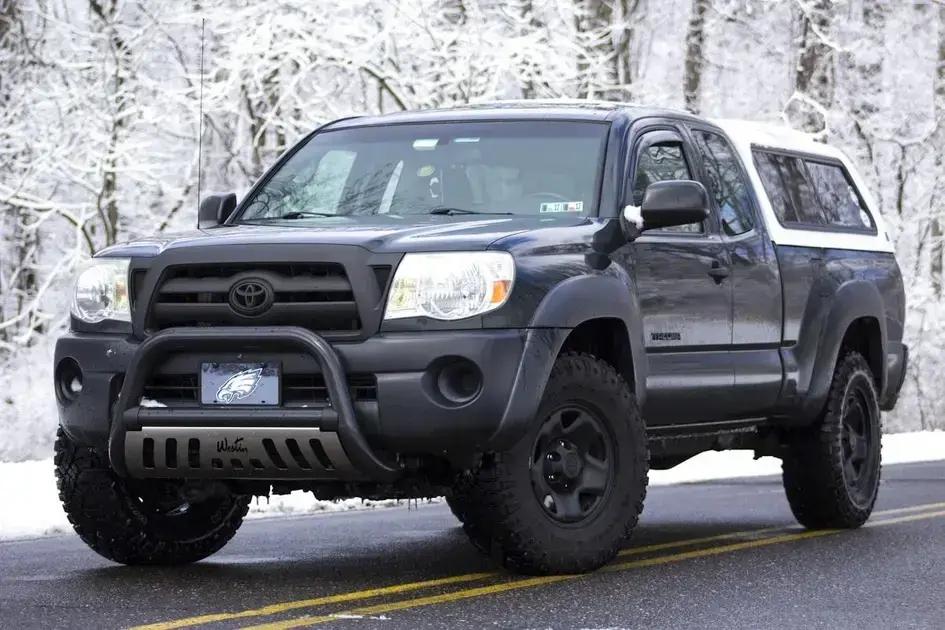
Understanding your rights when it comes to car repair parts can feel like a puzzle, as state laws on parts disclosure and choice vary quite a bit. These laws can affect whether you’re told about aftermarket parts and if you can insist on original equipment coverage for your Toyota, even without a specific endorsement, though you might pay extra.
What is Parts Disclosure?
In some states, repair shops or insurance companies are legally required to tell you if they plan to use non-OEM (aftermarket) parts in your vehicle’s repair. This is called parts disclosure. The estimate you receive might need to clearly state which parts are original and which are not. This transparency is key, allowing you to make an informed decision. However, not all states have strong disclosure laws, so you might need to ask directly.
Your Right to Choose Parts
The bigger question is often about your right to choose the type of parts used. Some states have laws that give consumers more say. You might have the right to request OEM parts, but the insurer might only be obligated to pay for the cheaper aftermarket equivalent unless you have an OEM endorsement. This means you’d cover the cost difference for genuine Toyota parts. Other states offer fewer protections, giving more discretion to the insurance company. It’s wise to know where your state stands on this. An OEM parts endorsement often simplifies this, making your preference for original equipment coverage clear from the start.
Navigating these rules means you might need to do a little research. Check your state’s Department of Insurance website or consult consumer protection resources to understand the specific regulations in your area regarding auto body repair and part selection.
claims process: talking to adjusters about oem parts
When you’re in the middle of an insurance claim, discussing repair parts with the adjuster can sometimes feel like a negotiation. This is especially true if you’re set on using genuine Toyota parts. Your adjuster’s primary goal is often to manage costs, which might lead them to suggest aftermarket parts.
Having the OEM Conversation
If you have an OEM parts endorsement on your policy, this conversation becomes much simpler. You can politely remind the adjuster about your specific original equipment coverage. Say something like, “I have an OEM endorsement on my policy, so I’d like to ensure we’re using genuine Toyota parts for the repair.” This usually resolves the issue quickly.
What if you don’t have the endorsement? You can still advocate for OEM parts. Calmly explain your reasons: perhaps it’s about maintaining your Toyota warranty, ensuring the best fit and performance, or preserving resale value. You could say, “I understand there are other options, but for safety and to maintain my car’s integrity, I strongly prefer using genuine Toyota parts.” Be prepared to discuss any cost difference and potentially pay it yourself if your policy doesn’t cover it without an endorsement. It’s helpful to have done some research on your state’s laws regarding part choice, as mentioned earlier.
Key Points When Talking to Adjusters:
Always stay polite and professional. Clearly state your preference for genuine Toyota parts and explain why. If the adjuster is resistant, ask them to provide their reasoning in writing. Document all your conversations, including dates, times, and the adjuster’s name. Knowing your policy and your rights can make these discussions smoother. The aim is to ensure your Toyota is repaired to your satisfaction, ideally with parts that offer the best original equipment coverage, even if it’s through your direct advocacy.
original equipment coverage limits and exclusions
While an OEM parts endorsement for your Toyota is a fantastic way to ensure you get genuine Toyota parts, it’s important to know that even this original equipment coverage can have some limits or exclusions. These aren’t always obvious, so a close look at your policy details is key.
Common Limits You Might Encounter
One common limitation could be related to the age or mileage of your Toyota. Some insurance policies might only offer full OEM part replacement for newer vehicles, say, up to a certain number of years old or below a specific mileage threshold. For older Toyotas, the endorsement might still provide some benefit, but perhaps not for every single part. Another limit could be on specific types of parts. For instance, while major body panels or engine components might be covered, things like tires or batteries (which are often considered wear-and-tear items) might not fall under the OEM endorsement, even if they were damaged in a covered accident. They’d likely be replaced with new items, but not necessarily brand-specific under the OEM clause.
Understanding Potential Exclusions
Exclusions can also apply. For example, the original equipment coverage typically only applies to parts damaged in a covered loss, like an accident. It wouldn’t cover parts that simply wear out from normal use. Also, if a part is purely cosmetic and its aftermarket equivalent is functionally identical and doesn’t affect safety or performance, some policies might still try to push for the aftermarket option, though having the endorsement strengthens your case for an OEM part. Always check your policy for wording like “of like kind and quality” versus a strict OEM requirement. It’s crucial to understand these nuances to avoid surprises when you file a claim for your Toyota parts endorsement.
scenarios when aftermarket makes more sense
While an OEM parts endorsement for your Toyota often brings peace of mind, there are situations where choosing aftermarket parts might be a more practical decision. It’s not always a black-and-white issue, and understanding these scenarios can help you make the best choice for your specific circumstances without necessarily compromising safety or basic function.
When Budget is a Major Factor
Let’s be honest, car repairs can be expensive. If your Toyota is older, has high mileage, and you’re primarily focused on keeping it running safely without breaking the bank, aftermarket parts can offer significant savings. For a vehicle that you don’t plan to keep for many more years or whose resale value is already quite low, the premium cost of OEM parts might not make financial sense. In these cases, a good quality aftermarket part can get your car back on the road affordably.
For Certain Non-Critical Components
Not all parts carry the same weight in terms of safety or performance. For items like side mirrors, some exterior trim pieces, or even certain interior components, an aftermarket version might perform its job perfectly well. If the part is largely cosmetic or doesn’t interact with complex vehicle systems, the difference in quality or fit might be negligible for the average driver, especially when compared to the cost saving.
Availability and Certified Aftermarket Options
Sometimes, an OEM part might be on backorder or difficult to source, especially for less common or older Toyota models. In such instances, a readily available, high-quality certified aftermarket part (like those certified by CAPA – Certified Automotive Parts Association) can be a sensible alternative to a long wait. These certified parts have met certain standards for fit, form, and function, offering a better guarantee than uncertified options. Opting for these can be a good middle ground, providing a balance of quality and cost when OEM isn’t the most feasible choice.
tips to add the endorsement without hiking premiums
Adding an OEM parts endorsement to your Toyota policy usually means a slight increase in your premium. However, it doesn’t always have to break the bank. There are smart ways to incorporate this valuable original equipment coverage while trying to keep your overall insurance costs manageable.
Smart Shopping and Policy Adjustments
One of the best strategies is to shop around. Insurance companies price endorsements differently, so get quotes from multiple providers. You might find one that offers the OEM endorsement at a more competitive rate. Also, consider bundling your policies. If you have home or renter’s insurance, combining it with your auto policy through the same insurer often leads to a multi-policy discount that could help offset the cost of the endorsement. Another approach is to review your deductibles. Opting for a slightly higher deductible on your collision or comprehensive coverage can lower your base premium, potentially making room for the endorsement fee without a significant overall increase. You’d pay more out-of-pocket if you have a claim, but your regular payments would be lower.
Leveraging Discounts and Regular Reviews
Don’t forget to ask about all available discounts. Are you eligible for a good driver discount, a low mileage discount, or discounts for safety features on your Toyota? Maximizing these can reduce your base premium. Finally, make it a habit to review your coverage annually or when your circumstances change. You can discuss the OEM endorsement with your agent and see if there are new ways to structure your policy to include it cost-effectively. Sometimes, a small adjustment elsewhere is all it takes to accommodate the Toyota parts endorsement without a painful premium hike.
checklist before authorizing toyota repairs at the body shop

Before you give the green light for repairs on your Toyota at the body shop, especially if you’re keen on using your Toyota parts endorsement for original equipment coverage, a quick checklist can save you a lot of hassle. Taking a few moments here can ensure the process goes smoothly and aligns with your expectations.
Your Pre-Repair Checklist:
1. Confirm Insurance Approval: Double-check that your insurance company has authorized the repairs and the estimate from the shop. Get a claim number and adjuster contact if you don’t have it already.
2. Verify Part Types Explicitly: Ask the shop manager directly: “Will you be using new genuine Toyota parts for all replacements?” If you have an OEM endorsement, ensure they acknowledge and will honor it. If they plan to use any aftermarket parts, they should clearly explain why and where.
3. Get a Detailed Written Estimate: Don’t proceed without a comprehensive, itemized estimate. It should list all parts to be replaced (specifying OEM or aftermarket), the cost of each part, and labor charges. This is your blueprint for the repair.
4. Understand All Warranties: Ask about the body shop’s warranty on their workmanship. Also, inquire about the warranty on the parts themselves. OEM parts usually come with a Toyota warranty, but aftermarket parts vary.
5. Clarify the Repair Timeline: Get an estimated completion date. While this can sometimes change due to unforeseen issues or parts delays, having an initial timeline helps manage expectations.
6. Designate a Point of Contact: Know who at the shop will be your main contact for updates or questions throughout the repair process.
7. Review Your Policy for Deductibles: Remind yourself of your deductible amount so there are no surprises when it’s time to pay.
8. Ask About Sublet Work: Will any part of the repair (like wheel alignment or sensor recalibration) be sent to another facility? It’s good to know who is working on your car.
Taking these steps helps ensure clarity and that your Toyota parts endorsement is properly utilized, leading to a satisfactory repair with the original equipment coverage you expect.
Is an OEM Parts Endorsement Right for Your Toyota?
Choosing repair parts for your Toyota often feels like a big decision. An OEM parts endorsement Toyota on your insurance policy can make things simpler. It means your insurer agrees to use genuine Toyota parts if your car needs fixing after an accident.
We’ve explored how these original parts can keep your Toyota warranty safe and help its resale value. They also play a big role in how your car performs and keeps you safe, as they are the same parts used in original crash tests. This original equipment coverage offers peace of mind that your vehicle is restored to factory specifications.
But what about the cost? Yes, this endorsement adds a little to your premium. And sometimes, if your Toyota is older or the repair isn’t for a super critical part, a good aftermarket part might save you money and still do the job. It’s all about what works best for you and your car’s specific situation.
So, think about what’s important for your Toyota. Knowing about the OEM parts endorsement Toyota helps you ask the right questions. Talk to your insurance agent, consider your car’s age, and decide if this extra protection is a good fit. Making a smart choice now means fewer worries later when your car is in the shop.
FAQ – Understanding Your Toyota OEM Parts Endorsement
What is an OEM parts endorsement for my Toyota?
An OEM (Original Equipment Manufacturer) parts endorsement is an optional addition to your auto insurance policy. It ensures that if your Toyota is damaged in a covered accident, your insurer will use genuine Toyota parts for repairs, rather than potentially using aftermarket parts.
Will using OEM parts affect my Toyota’s warranty or resale value?
Yes, using genuine Toyota OEM parts generally helps maintain your vehicle’s original warranty and can positively impact its resale value. Repairs with original parts show the car was maintained to factory standards.
Does an OEM parts endorsement cost extra on my insurance?
Typically, yes. Adding an OEM parts endorsement usually results in a slightly higher insurance premium because genuine OEM parts can be more expensive than aftermarket alternatives.
Can I insist on OEM parts without an endorsement?
You can always request OEM parts, but without an endorsement, your insurance company might only pay for the cost of equivalent aftermarket parts. You would likely have to pay the price difference for the OEM parts yourself.
Are aftermarket parts ever a good option for Toyota repairs?
In some situations, like for older vehicles where resale value is less of a concern, or for certain non-critical cosmetic parts, good quality aftermarket parts can be a more budget-friendly option. However, OEM parts are generally preferred for optimal fit, performance, and safety.
How do I know if my insurance includes an OEM parts endorsement?
You should review your auto insurance policy documents carefully or contact your insurance agent directly. The endorsement will be specifically listed if it’s part of your coverage.