E-bike racing liability insurance is specialized coverage protecting amateur leagues against financial claims for third-party injuries or property damage during organized races, addressing risks specific to competitive events not covered by standard personal policies.
Advertisement
Ever wondered if a tumble during your weekend race could drain your savings? e-bike racing liability insurance isn’t just legal jargon—it’s the safety net that keeps friendly competition from turning into courtroom drama. Stick around and see how a few smart policy moves can keep the focus on speed, not lawsuits.
Why amateur e-bike races carry unique risk profiles
Amateur e-bike races present a special set of dangers compared to other cycling events. One big reason is the variety of bikes and rider skills. You might see someone on a basic e-bike next to another on a super-fast, modified machine. This mix can lead to unpredictable situations on the track and increases the e-bike racing liability insurance considerations.
Unlike pro races, amateur events often happen in places not built for high-speed competition. Think local parks or temporary street courses. These spots might have unexpected hazards, like uneven surfaces or poor barriers. This makes careful planning and robust insurance extra important for any racing event coverage.
Equipment and Speed Factors
E-bikes themselves add a layer of risk. They can go much faster than regular bikes, which means crashes can be more serious. Also, the condition of personal e-bikes can vary a lot. Not everyone keeps their bike in top racing shape. Some modifications might not be safe for racing conditions. This is different from pro teams where bikes are usually checked very carefully.
Another point to consider is rider awareness. Amateur racers bring great energy. But, their experience and knowledge of racing rules can differ greatly from professionals. This can create more chances for mistakes or crashes. Tight corners or crowded areas are especially tricky. All these factors mean organizers need to think carefully about safety and comprehensive liability protection.
Legal obligations every league organizer should check
Organizing an amateur e-bike racing league comes with important legal responsibilities. Before your first race, it’s key to understand what the law expects. This often starts with local permits and permissions. Many cities or counties require you to get approval before holding any public event, especially one involving speed and potential risks. Check with your local government office or parks department to see what’s needed for your racing event coverage.
Advertisement
Safety regulations are another big area. You’re responsible for making the racecourse as safe as possible. This might involve specific rules about track design, barriers, and emergency access. Some areas may have specific laws about sporting events. Ignoring these can lead to fines or even legal action if someone gets hurt. Proper e-bike racing liability insurance is designed to protect against these financial risks, but compliance with regulations is still crucial.
Key Areas of Compliance
Think about these core legal duties. First, ensure you have the right to use the land or venue for racing. This could be a public park, private land, or closed streets. Each has different permission processes. Second, look into specific safety gear requirements. While riders bring their own e-bikes, you might need to enforce rules about helmets or other protective equipment. Third, consider how you handle information. If you collect personal data from racers, you need to follow privacy laws. Finally, and very importantly, understand the requirements for insurance coverage for the event itself, which is a primary focus when discussing e-bike racing liability insurance.
Participant waivers are common, but don’t assume they absolve you of all responsibility. While helpful, their legal strength can vary. Always get legal advice to make sure your waivers and overall event plan meet all local and state legal obligations. Being proactive here helps protect everyone involved.
Comparing personal policies versus event-specific coverage
It’s a common question: can racers just rely on their personal insurance, like homeowner’s or renter’s policies? The short answer is usually no. Most personal insurance policies have specific exclusions for organized competitive events, especially those involving vehicles or higher-risk activities like racing. Relying on these could leave big gaps if an accident happens during your amateur e-bike race. Personal liability might cover a casual bike ride, but not a structured race.
Event-specific coverage, such as e-bike racing liability insurance, is built for the unique risks of a race. This type of policy is designed to protect the league organizers, volunteers, and the event itself from claims of injury or property damage. It understands the context of a competitive environment, which personal policies often don’t.
Key Differences to Understand
Think of it this way: your personal auto insurance doesn’t cover you if you use your car for commercial pizza delivery without a special endorsement. Similarly, your personal liability coverage probably won’t extend to liabilities you or your league might face from a racing incident. Event-specific racing event coverage provides dedicated protection for the actual event activities, spectators, and venue. It’s about having the right tool for the job. Attempting to use personal policies for event coverage is like trying to fit a square peg in a round hole – it just doesn’t work well and can leave everyone vulnerable.
What general liability actually covers on race day
General liability insurance is a key piece of your e-bike racing liability insurance for race day. It acts like a safety net, mainly protecting your league if someone not involved in racing, like a spectator, gets hurt. Or, if your event accidentally causes damage to the venue’s property – say, a tent setup scratches a building. This part of your racing event coverage helps pay for legal costs and settlements if your league is held responsible for these kinds of third-party claims.
What it usually doesn’t cover is also very important. General liability typically does not pay for injuries to the e-bike racers themselves while they are competing. That’s usually handled by separate participant accident insurance or is an accepted risk by the racers. It also generally won’t cover damage to a racer’s own e-bike or personal equipment.
What Does It Typically Handle?
On race day, general liability is there for incidents like:
- A spectator tripping over event equipment and getting injured.
- Damage to venue property, such as a race barrier falling and damaging a park fence.
- Claims of slander or libel if, for example, an announcer mistakenly says something damaging about a local business during the event, though this is less common for amateur events.
Essentially, it’s designed to cover your league’s legal responsibility for bodily injury or property damage to others (not the participants during the race itself) arising from your event operations. It’s a core protection for any organized amateur e-bike race.
Participant waivers: strengths and hidden gaps
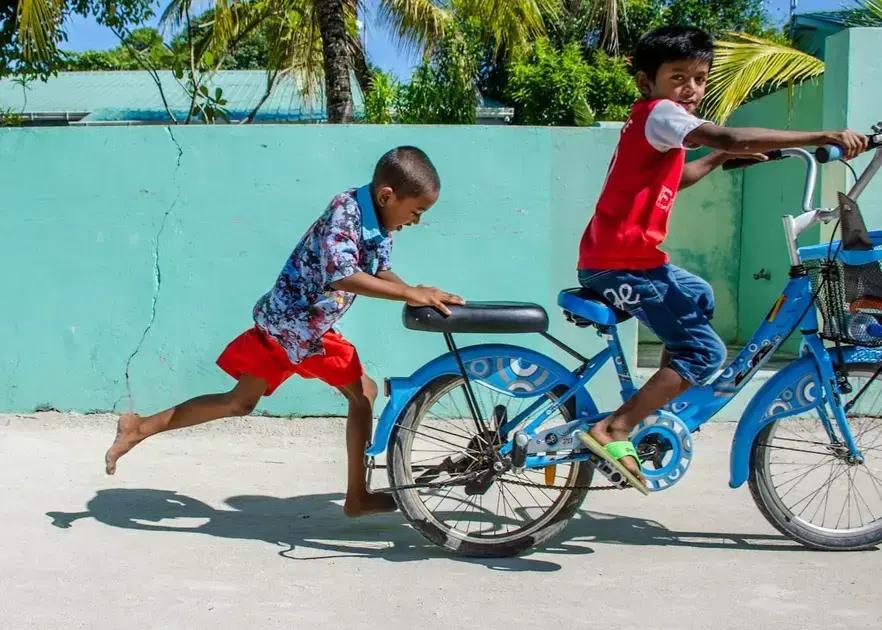
Participant waivers are a common tool for amateur e-bike racing leagues. Their main strength is that they make racers formally acknowledge the risks involved in e-bike racing. When a participant signs a waiver, they are typically stating they understand that racing can be dangerous and they are choosing to participate anyway. This can be helpful if a legal issue arises, as it shows the racer was aware of potential dangers.
Waivers also usually include a ‘release of liability’ clause. This means the participant agrees not to sue the league or organizers for injuries they might get during the race, at least for ordinary negligence. This is a key reason why organizers use them as part of their racing event coverage strategy. However, it’s important to understand that waivers are not foolproof.
Where Waivers Might Fall Short
One hidden gap is that the enforceability of waivers can vary a lot by state or region. Courts sometimes rule them invalid if they are too broad, unclear, or if the injury was due to gross negligence by the organizers, not just a simple accident. For example, if the track was set up in a clearly reckless way, a waiver might not protect the league. Another major gap often involves minors; waivers signed by or for racers under 18 may not be legally binding in many places. Always ensure your e-bike racing liability insurance is robust, as waivers alone are not a complete shield. They are one layer of protection, but not the only one you need.
It’s also key that the language in the waiver is very clear and easy to understand. If it’s full of confusing legal jargon, a court might decide the participant didn’t truly understand what they were signing. So, while waivers are useful, they don’t replace the need for proper insurance and careful event planning.
How medical payments and accidental injury riders work
When a racer takes a spill during an amateur e-bike event, medical payments coverage, often called MedPay, can be a real help. Think of it as a goodwill feature that can be part of your e-bike racing liability insurance package. It helps cover smaller, immediate medical bills for an injured participant, like an ambulance ride or stitches, often regardless of who was at fault. This quick assistance for minor injuries can sometimes prevent a small issue from becoming a bigger legal problem for the league.
Accidental injury riders, sometimes known as participant accident insurance, are more specific. This type of racing event coverage is tailored to athletes and participants. It can help pay for medical costs if a racer gets hurt while actively competing. Some of these riders might even offer benefits for more serious outcomes, like disability. This is particularly important because standard general liability policies often exclude injuries to the racers themselves while they are on the track.
How These Coverages Support Racers and Leagues
These types of insurance riders provide a direct benefit to your e-bike racers. They ensure that if a participant has an accident, there’s a defined way to help with their initial medical expenses. This not only shows your league cares about its members but can also reduce the likelihood of expensive lawsuits. They are a crucial part of a complete insurance strategy, working alongside your general liability policy. While general liability primarily protects against claims from spectators or for property damage, medical payments and accidental injury riders focus on the well-being of the active participants on race day.
Picking coverage limits that match your race format
Choosing the right coverage limits for your e-bike racing liability insurance isn’t a one-size-fits-all deal. The amount of protection your league needs heavily depends on your specific race format. A casual, low-speed race in a controlled park setting might have different insurance needs than a faster-paced event on a more complex temporary street circuit. Thinking carefully about your event’s details is key to getting the right balance of protection and cost.
Consider the potential risks. If your races involve very high-speed e-bikes, a larger number of participants, or take place in areas with more public exposure, you’ll likely need higher coverage limits. The type of track also matters; a technical off-road course might present different hazards than a smooth, closed loop. This is all part of your overall racing event coverage assessment.
Factors Influencing Coverage Limits
Several elements of your race format should guide your decision on insurance limits:
- Number of Participants and Spectators: More people generally mean more potential for incidents.
- Track Complexity and Location: A simple, well-barricaded track in a remote area carries different risks than a course through a public park or city streets.
- E-Bike Speeds and Modifications: Faster, modified e-bikes can lead to more severe accidents, potentially requiring higher limits.
- Venue Requirements: Many venues, like city parks or private properties, will have minimum insurance requirements your league must meet. Always check these first.
A common starting point for general liability is often $1 million per occurrence, but for larger or higher-risk events, limits of $2 million, $5 million, or even more might be necessary or required. It’s about matching the financial protection to the potential scale of a claim if something goes wrong.
Cost factors: location, rider count, and track design
Several key things influence how much your e-bike racing liability insurance will cost. Understanding these can help you budget and potentially find ways to manage expenses for your amateur league. Insurance companies look at the overall risk your event presents – the higher the perceived risk, the higher the premium for your racing event coverage.
One major factor is the location of your race. Racing in a busy city park where many non-participants are present might cost more to insure than an event on a private, closed track in a rural area. Some states or regions also have higher baseline insurance costs due to local laws or claim histories.
Breaking Down the Key Cost Drivers
Let’s look at specific elements that drive up or down your insurance premiums:
- Rider Count: Simply put, more riders usually mean a greater chance of an incident occurring. A league with 20 riders per race will likely have a different premium than one with 200. This is a direct measure of exposure for the insurer.
- Track Design and Complexity: A short, flat, and simple track with wide turns is generally considered less risky than a long, technical course with sharp turns, obstacles, or high-speed sections. If your track includes features that increase the chance of crashes, expect that to be reflected in the cost. The materials used for barriers and the overall safety setup also play a part.
- Event Duration and Frequency: A single-day event will cost less to insure than a multi-day festival or an entire season of races. The more often you race, the more opportunities there are for something to go wrong.
The claims history of your league or similar events can also play a role. If you’ve had past incidents, insurers might see your events as higher risk. Maintaining a good safety record is therefore beneficial not just for your riders, but also for your insurance costs over time. These factors together help an insurer determine the appropriate premium for your e-bike racing liability insurance.
Steps to file a claim without derailing the season
If an accident happens at your e-bike race, handling the claim well helps keep your season going. First, make sure everyone is safe and gets medical help if needed. Then, carefully record what happened. Take photos, get names of people who saw it, and write down the details. Tell your e-bike racing liability insurance company quickly. Waiting can make things harder.
After you report the claim, work closely with your insurance company. They will ask for information and papers. Giving clear and true details helps them handle your claim faster. Good handling of your racing event coverage is important. The main aim is to fix the problem so your league can keep racing with little trouble.
Keeping Your E-Bike Season on Track
While the insurance company works on the claim, talk openly with your league members. Don’t say it was your fault before everything is checked. Look at what happened to see if you can make future races safer. By taking these steps, you can deal with claims well and keep your amateur e-bike racing season going. This shows you run your league the right way.
Tips for educating racers about safety and insurance
Educating your e-bike racers about safety protocols and insurance details is a proactive step towards a successful and secure season. When riders understand the risks and protections, it fosters a safer environment for everyone. This transparency also highlights the value of your league’s e-bike racing liability insurance and responsible event management.
Start by making safety information easily accessible. Conduct mandatory pre-race briefings to discuss course conditions, specific hazards for the day, and rules of engagement on the track. Emphasize the importance of personal safety gear, like certified helmets and appropriate protective clothing. Encourage riders to perform pre-ride checks on their e-bikes. Clear communication about on-track etiquette can also significantly reduce incidents. Consider creating a simple safety checklist or a short guide available on your website or at registration.
Explaining Insurance to Participants
When discussing insurance, be clear about what the league’s racing event coverage entails. Explain that it primarily protects the league from liability claims, such as injuries to spectators or damage to the venue. It’s important for racers to understand that this policy generally does not cover their personal medical expenses from racing injuries or damage to their own e-bikes. Strongly advise them to have adequate personal health insurance. If your league offers any form of participant accident insurance, explain its benefits and limitations clearly. Using simple language in emails, FAQs on your website, or during rider meetings can help demystify insurance and ensure everyone is on the same page.
Final Laps: Securing Your Amateur E-Bike Races
Getting the right e-bike racing liability insurance is a big step for any amateur league. It’s not just about following rules. It’s about keeping your races fun and safe for everyone, from riders to folks watching on the sidelines. Understanding what your policy covers, like spectator safety versus rider injuries, helps you make smart choices.
Remember, things like your track design, how many riders you have, and where you race all affect your insurance needs. Talking openly with your racers about safety and what insurance does (and doesn’t) do is also super important. Good racing event coverage means less worry and more focus on the thrill of the race. Taking these steps helps make sure your e-bike racing league can keep going strong, season after season.
FAQ – E-Bike Racing Liability Insurance Explained
Why is specific e-bike racing liability insurance important for amateur leagues?
Standard insurance often doesn’t cover organized races. This specific insurance protects the league from claims if, for example, a spectator is injured or venue property is damaged during an event, which is crucial for managing the unique risks of e-bike racing.
Will my personal homeowner’s or renter’s insurance cover me if I participate in an e-bike race?
Generally, no. Most personal insurance policies have exclusions for competitive sporting events. It’s best to check your policy, but relying on it for racing is risky.
What’s the difference between general liability and participant accident coverage in e-bike racing insurance?
General liability typically covers the league for third-party claims (like spectator injuries). Participant accident coverage (or a medical payments rider) is more focused on providing some medical expense benefits for the racers themselves if they get injured during the competition.
Are participant waivers enough to protect our e-bike racing league?
Waivers are important as they show participants acknowledge risks. However, their legal strength varies, and they may not cover gross negligence. They are one layer of protection, not a replacement for comprehensive e-bike racing liability insurance.
What factors influence the cost of liability insurance for an amateur e-bike racing league?
Several factors affect the cost, including the race location (urban vs. rural), the number of riders and spectators, the complexity and safety features of the track design, and the league’s claims history.
How can we educate our racers about safety and the insurance we carry?
Hold mandatory pre-race safety briefings, clearly explain what the league’s insurance covers (and its limitations for individual racers) via your website or emails, and always emphasize personal responsibility for safety gear and having adequate personal health insurance.