E-bike battery insurance is essential for covering lithium-ion battery fire risks, especially as insurers are expected to implement stricter safety standards in policies by 2025, making it crucial for riders to understand specific coverage details and adopt safe charging practices.
Advertisement
e-bike battery insurance may sound like overkill, but anyone who’s seen a lithium-ion pack spark knows the repair bill hurts. Stick around and let’s unpack why 2025 coverage rules could change how you ride.
What counts as a battery fire under insurers’ terms
When you hear ‘e-bike battery fire,’ you might picture dramatic flames. Insurers, however, have very specific definitions. For them, a battery fire usually means the lithium-ion cells experienced uncontrolled thermal runaway. This could look like the battery pack actually catching fire, exploding, or melting down. It’s important to know that simple overheating or a minor electrical short might not count if it doesn’t lead to these more severe outcomes.
Key Details in Your Policy
Your insurance policy document is the key. It will spell out exactly what they consider a ‘battery fire.’ For example, did the fire start from the battery, or did something else catch fire and then damage the battery? Insurers look for proof that the battery itself was the source of the uncontrolled event. Always review the fine print, especially sections on exclusions. Using the wrong charger or making unapproved changes to your battery could sometimes void your coverage, even if a fire happens.
Knowing these details upfront helps you understand what your e-bike battery insurance truly covers when it comes to fire incidents.
Rising claim statistics and what they signal for riders
The statistics are clear: insurance claims specifically for e-bike battery fires are noticeably increasing. This isn’t just a minor detail; it’s a developing pattern that both e-bike riders and insurance providers are watching closely. Factors like more e-bikes being used daily and differences in lithium-ion battery quality and care contribute to this rise.
Advertisement
What This Trend Signals for E-Bike Riders
So, what do these growing claim numbers mean for you as a rider? Primarily, you can expect insurance companies to look more closely at e-bike policies. This could translate to potentially higher costs for e-bike battery insurance. Insurers might also introduce more specific conditions for coverage, such as requiring proof of battery certification or that you follow certain safe charging practices to ensure good lithium-ion protection.
This upward trend in claims also underscores why it’s crucial to understand exactly what your insurance policy states about battery fires. It’s no longer wise to just assume your general e-bike insurance fully covers every type of battery-related fire. These rising statistics serve as a strong hint for riders: be proactive, check your current insurance details carefully, and make sure you have the right protection for your e-bike’s most vital component.
Lithium-ion protection standards expected in 2025 policies
As we look towards 2025, expect e-bike insurance policies to get more specific about lithium-ion protection standards. This isn’t just insurers being picky; it’s a response to the growing need for better safety measures with these powerful batteries. The aim is to reduce risks for everyone.
What Standards Might We See?
Insurers will likely start requiring proof that your e-bike battery meets certain safety certifications. Think along the lines of UL certification (like UL 2849 or UL 2271) or equivalent international standards. These certifications show that the battery and its system have passed tough safety tests. Policies might also look for evidence of a robust Battery Management System (BMS). A good BMS is crucial as it helps prevent overcharging, over-discharging, and overheating – common culprits in battery issues.
Furthermore, you might find stricter rules about using only manufacturer-approved chargers and following specific charging guidelines. Using a non-compatible or cheap charger is a known fire hazard. Future policies could require documentation of your battery’s purchase, its specifications, and maybe even periodic health checks to maintain coverage, especially for fire-related incidents. These measures are all about ensuring a baseline of safety and accountability for the lithium-ion protection in your e-bike.
How home charging habits influence premium prices
Where and how you charge your e-bike battery at home can directly influence what you pay for insurance. Insurers know that unsafe charging practices greatly increase the risk of battery fires. This means your daily habits around charging your lithium-ion protection system could directly affect your e-bike battery insurance premiums.
Common Risky Charging Habits
What behaviors raise red flags for insurers? Charging your battery on flammable surfaces like a rug, bed, or sofa is a big one. Using a charger that’s damaged or not specifically made for your e-bike model is another major concern. Leaving your battery to charge unattended for extended periods, particularly overnight in a living space, or charging it in very hot or cold conditions, also elevates the risk. Even using an old or underrated extension cord can contribute to problems.
How Insurers View These Risks
From an insurance company’s perspective, these habits are not just small mistakes; they signal a higher chance of a serious, expensive claim. If your charging methods seem unsafe, your policy will likely be seen as higher risk. This evaluation can lead to noticeably higher premium prices. Some insurers might even start asking detailed questions about your home charging setup before they offer or renew a policy, wanting to ensure good lithium-ion protection measures are in place.
Understanding this connection allows you to adopt safer charging routines. This not only helps protect your property and your e-bike but could also favorably impact your insurance options and overall costs down the line.
Coverage gaps hidden in generic e-bike clauses
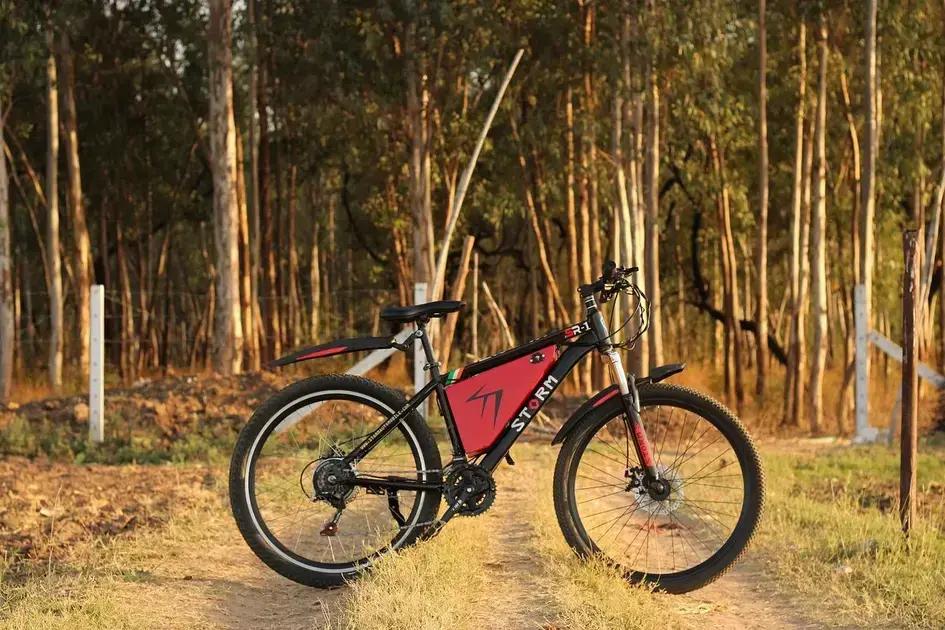
It’s easy to assume your general e-bike insurance has you fully covered, but often there are coverage gaps hidden in generic e-bike clauses, especially when it comes to battery fires. Standard policies might not be designed with the specific risks of high-energy lithium-ion batteries in mind, leading to unpleasant surprises when you need to make a claim.
Where Generic Policies Often Fall Short
Many older or more general insurance clauses might not specifically mention or adequately address issues like thermal runaway in a lithium-ion protection system. For example, a policy might exclude damage from ‘electrical malfunction’ without clarifying if this includes a battery spontaneously igniting. Some policies may also have vague wording about ‘modifications’ or ‘non-original parts.’ If you’ve ever replaced your charger or had minor battery work done by a non-certified technician, this could potentially void your coverage for a fire. You might also find that the policy limits for accessories don’t come close to covering the replacement cost of an expensive e-bike battery.
These hidden gaps mean that you could be paying for an e-bike battery insurance component that doesn’t truly protect you against one of the most significant risks. It’s vital to look beyond the headline coverage and scrutinize these details carefully.
Steps to document your battery’s health for claims
If you ever need to file an e-bike battery insurance claim, especially for a fire, good records are your best friend. Documenting your battery’s health and your care for it can make the claims process much smoother. It shows the insurer you’ve been responsible with your lithium-ion protection.
What to Keep Track Of
Start by keeping your original purchase receipts for both the e-bike and the battery (if bought separately). Take clear photos or videos of the battery itself, making sure any serial numbers or certification labels (like UL marks) are visible. It’s also wise to document your charging routine. Note what charger you use – ideally, the manufacturer’s original – and where you typically charge the battery. If you have any professional maintenance or battery health checks done, keep those service records.
Taking periodic photos showing the battery in good condition can also be helpful. Think of it like creating a timeline of your battery’s life and your proper care. Store these documents and images safely, perhaps in a dedicated folder on your computer or in cloud storage. Clear, organized records can significantly support your claim if something unfortunate happens, proving the battery’s condition and your adherence to safe practices before an incident.
Comparing add-on riders vs standalone battery coverage
When looking for e-bike battery insurance, you’ll often encounter two main options: adding a rider to an existing policy or getting standalone coverage. Understanding the difference is key to choosing the right lithium-ion protection for your needs.
What is an Add-on Rider?
An add-on rider, sometimes called an endorsement, is extra coverage you can add to an existing insurance policy, like your homeowner’s or renter’s insurance. Think of it as bolting on specific protection for your e-bike battery onto a broader policy. The main appeal is often convenience and sometimes cost, as it might be cheaper than a separate plan. However, the coverage limits for the battery might be lower, and the terms might not be as specific to e-bike battery risks. Also, a claim on this rider could potentially affect the premium of your main policy.
Understanding Standalone Battery Coverage
Standalone battery coverage, or a dedicated e-bike insurance policy that heavily features battery protection, is a policy bought specifically for your e-bike and its battery. This type of e-bike battery insurance is usually more comprehensive. It’s designed to address the unique risks of e-bikes, including specific perils like battery fire or theft, with potentially higher coverage limits. While it might mean managing another bill and policy, a claim on standalone coverage won’t typically impact your other insurance policies, like home or auto. This option often provides more tailored lithium-ion protection.
Comparing these options involves weighing cost, convenience, and the level of specific coverage you need for peace of mind.
Role of local regulations on insurer risk evaluation
Local laws and regulations play a surprisingly big part in how insurance companies assess the risk of providing e-bike battery insurance. These rules can vary a lot from one city or state to another, and insurers pay close attention to them. For instance, if a city mandates specific safety certifications for e-bike batteries, like UL 2849, insurers might view policies in that area as less risky.
How Regulations Shape Risk Assessment
Insurers look at local rules concerning e-bike sales, usage, storage, and even disposal. Strict local fire codes that address lithium-ion battery charging and storage can also influence an insurer’s evaluation. If an area has strong enforcement of these safety standards, it can lower the perceived risk of battery-related incidents. Conversely, in places with few or poorly enforced regulations, or where there’s a known issue with uncertified batteries flooding the market, insurers might see a higher risk. This could lead to them being more selective about offering lithium-ion protection, potentially increasing premium costs or imposing stricter conditions for coverage.
Essentially, a well-regulated local environment can contribute to a more favorable insurance market for e-bike owners. Insurers are always adjusting their risk models based on the legal landscape where the e-bike is used and stored.
Best practices to reduce fire risk and lower costs
Taking proactive steps to reduce the fire risk associated with your e-bike battery not only keeps you safer but can also lead to lower e-bike battery insurance costs. Good habits demonstrate to insurers that you’re a responsible owner, minimizing the chances of a claim related to your lithium-ion protection system.
Essential Safety Practices for Your E-Bike Battery
Always use the original manufacturer’s charger or one specifically certified for your battery model. Charging in a clear, open space on a non-flammable surface like concrete or tile is crucial; avoid cluttered areas or flammable materials like carpets or curtains. It’s best not to leave your battery charging unattended for very long periods, especially overnight in main living areas. Make it a habit to regularly inspect both your battery and charger for any signs of damage, such as cracks, dents, swelling, or frayed wires. Also, try to charge and store your battery in a temperature-controlled environment, avoiding extreme heat or cold, as these can degrade battery health and increase risk. Consider using a fire-resistant charging bag or box for an added layer of safety.
How Safety Habits Can Lower Insurance Costs
When insurers see you’re following best practices for lithium-ion protection, they may view you as a lower-risk client. Some insurance providers might even inquire about your storage and charging habits. Being able to demonstrate safe practices, perhaps even through documentation or having certified equipment, could potentially lead to more favorable premium rates or better policy terms. Reducing the likelihood of a fire claim is a win-win: you protect your property and well-being, and you may save money on your e-bike battery insurance.
Checklist for choosing an insurer that understands e-bikes
Choosing the right insurer for your e-bike is crucial, especially when it comes to the battery. You need a provider that truly understands the specific risks of lithium-ion protection and offers tailored e-bike battery insurance. Here’s a quick checklist to guide you:
Questions to Ask Your Potential Insurer:
- Dedicated E-Bike Policies: Do they offer specific e-bike insurance, or is it just an add-on to a general policy? Dedicated policies often have better, more relevant coverage.
- Battery Fire Coverage Details: Ask them to show you exactly where in the policy it covers battery fires, including incidents like thermal runaway. What is their definition of a battery fire?
- Full Replacement Value for Battery: Does the policy cover the full cost to replace your specific e-bike battery, or is there a low cap under ‘accessories’? High-quality batteries are expensive.
- Knowledge of Battery Certifications: Do they recognize or ask about safety certifications for batteries, like UL 2849? This shows they understand current safety standards.
- Exclusions for Battery Issues: What are the specific exclusions related to battery damage or fire? For example, what if you used a non-OEM charger or if the battery was damaged in a crash first?
- Claim Process Transparency: How do they handle claims specifically related to e-bike battery failures or fires? Is the process clear and straightforward?
- Understanding of E-Bike Technology: Do their agents seem knowledgeable about e-bikes and their components, or do they sound like they are reading from a generic script?
Going through this checklist will help you find an insurer who is genuinely equipped to protect your e-bike investment properly.
Securing Your Ride: Final Thoughts on E-Bike Battery Insurance
Navigating the world of e-bike battery insurance might seem tricky, but it’s a vital step for every rider, especially as we head towards 2025. Understanding what counts as a battery fire, knowing about rising claims, and anticipating new lithium-ion protection standards are all key to staying safe and properly insured.
Your daily habits, like how you charge your e-bike at home, and the fine print in your policy play big roles. Don’t forget to document your battery’s health and choose an insurer who truly understands the unique aspects of e-bikes and their powerful batteries. These steps can help you avoid unpleasant surprises with coverage gaps and might even contribute to lower insurance costs.
So, take the time to compare your insurance options, ask potential insurers the right questions using a helpful checklist, and always follow best practices for battery safety. This proactive approach will allow you to enjoy your e-bike rides with greater peace of mind, knowing you have the right protection in place for your valuable investment.
FAQ – E-Bike Battery Insurance Essentials
Why is specific e-bike battery fire coverage becoming more important for 2025?
As e-bike use grows, so do concerns about lithium-ion battery safety. Insurers are expected to introduce more specific standards and requirements for battery fire coverage in 2025 due to rising claim statistics and evolving lithium-ion protection protocols.
What typically counts as a ‘battery fire’ under an insurance policy?
Insurers usually define a battery fire as uncontrolled thermal runaway of the lithium-ion cells, leading to the battery pack catching fire, exploding, or melting. Simple overheating without these consequences might not be covered.
Can my home charging habits really affect my insurance premium?
Yes, unsafe charging practices like using the wrong charger, charging on flammable surfaces, or leaving it unattended for long periods can be seen as higher risk by insurers, potentially leading to increased premium prices.
What documents should I keep to support a potential e-bike battery insurance claim?
Keep original purchase receipts for the e-bike and battery, photos/videos of the battery showing serial numbers and certifications, records of your charging routine (charger used, location), and any professional maintenance or health check reports.
What’s the main difference between an add-on rider and standalone e-bike battery coverage?
An add-on rider adds battery coverage to an existing policy (like home insurance) and might be cheaper but less specific. Standalone coverage is a dedicated policy for your e-bike and battery, usually offering more comprehensive and tailored lithium-ion protection, though potentially costing more.
How can I help reduce e-bike battery fire risk and potentially lower my insurance costs?
Always use the manufacturer’s approved charger, charge on non-flammable surfaces in a clear area, avoid unattended charging for long periods, inspect your battery and charger regularly, and store/charge in temperature-controlled environments. Demonstrating these safe practices can make you a lower risk to insurers.