E-bike subscription insurance offers crucial monthly protection specifically for leased or subscribed electric bikes, covering financial risks such as theft, damage to the e-bike, and liability for incidents, ensuring peace of mind for riders not owning the vehicle.
Advertisement
e-bike subscription insurance sounds like jargon, right? Yet, if you rent an e-bike each month, it can save your wallet when accidents roll in. Stick with me and see how.
Why subscription-specific insurance matters
When you’re enjoying the convenience of a subscribed e-bike, it’s easy to assume your existing insurance, like homeowner’s or renter’s policies, has you covered. However, these often don’t extend to leased e-bikes, creating a significant gap. If the e-bike is stolen or damaged, you might be personally liable for the full replacement or repair cost, which can be surprisingly high.
Subscription e-bikes have distinct insurance needs because you don’t own the bike. Rental agreements frequently stipulate that the rider must have specific coverage in place. This isn’t just a formality; it protects both you and the subscription company. Standard policies are typically designed for items you own outright, not for assets you’re using on a flexible, pay-as-you-go basis. Without dedicated insurance, you’re riding with considerable financial risk.
Why This Coverage is Non-Negotiable
So, why is subscription-specific insurance truly essential? Firstly, it provides crucial financial protection against theft and damage. Imagine the e-bike gets stolen while locked up, or you have an accident that damages the frame. Specialized insurance can cover these costs, saving you from a hefty unexpected bill. This is a major reason it matters.
Secondly, it often includes liability coverage. This is vital if you accidentally injure someone or damage property while riding. Medical bills or repair costs for others can escalate quickly. Subscription e-bike insurance helps shield you from these potentially crippling expenses, ensuring that a simple ride doesn’t turn into a financial disaster. Ultimately, it’s about riding with confidence and peace of mind, knowing you’re adequately protected against common risks.
Advertisement
Key risks e-bike renters face on the streets
Riding a rented e-bike through city streets offers amazing freedom and convenience. However, it’s important to be aware of the specific risks you might face as a renter. When you’re navigating urban environments, you’re exposed to more than just traffic; several issues can arise that could lead to unexpected costs.
Theft is a significant concern for anyone renting an e-bike. These bikes are valuable and can be prime targets for thieves, even if you’ve locked them up according to the rental company’s guidelines. If the e-bike you’re responsible for gets stolen, the subscription service will likely hold you accountable for its full replacement cost. This can be a substantial and unwelcome expense, particularly in areas where bike theft is prevalent.
Damage and Your Financial Responsibility
Accidents, unfortunately, can happen. E-bikes can sustain damage from various incidents, such as a collision with another vehicle or cyclist, a fall, or even hitting a deep pothole. The cost to repair specialized e-bike components, like the motor, battery, or frame, can be quite high. Your rental agreement almost certainly stipulates that you are financially liable for such damages. This means a minor mishap on the street could result in a significant bill to cover the repairs.
Perhaps one of the most serious financial risks e-bike renters face is liability for injuring another person or damaging their property. Imagine you accidentally collide with a pedestrian who then requires medical attention, or you inadvertently scratch a parked car while maneuvering the e-bike. In such scenarios, you could be held responsible for their medical bills or the cost of repairing the damaged property. These claims can easily run into thousands of dollars, potentially far exceeding the value of the e-bike itself. Understanding these common street-side risks is vital before you start your ride.
How lease bundle coverage lowers overall cost
Opting for lease bundle coverage when you subscribe to an e-bike can be a genuinely smart move for your budget. Instead of hunting down a separate insurance policy, this type of coverage is often woven directly into your rental agreement or offered as a cost-effective add-on. This simplicity can often lead to real savings on your overall e-biking expenses.
The main reason bundled coverage typically lowers your costs is due to the power of group purchasing. E-bike subscription companies are able to negotiate more favorable insurance rates from providers because they’re covering a large number of bikes and riders simultaneously. It’s similar to getting a group discount; these negotiated savings are frequently passed along to you, the renter. This often results in a lower monthly premium than if you were to find and purchase an individual policy on your own.
Beyond Just the Premium: Reducing Unexpected Expenses
The financial benefits of lease bundle coverage extend beyond just a lower monthly payment. It significantly helps in lowering your potential overall costs in a few important ways. Firstly, it ensures you have the right kind of insurance specifically tailored for rented e-bikes. This is crucial because a general insurance policy might have exclusions or limitations that don’t adequately cover your situation with a leased e-bike, which could lead to expensive out-of-pocket costs if something goes wrong.
Secondly, and perhaps most importantly, in the unfortunate event of theft, an accident, or damage to the e-bike, the bundled insurance drastically limits what you’d have to pay. Instead of being faced with a bill for the entire repair or replacement cost of the e-bike – which can easily run into hundreds or even thousands of dollars – your financial responsibility is usually capped at a much more manageable deductible. This strong protection against large, unforeseen expenses is a primary way that lease bundle coverage helps keep your total e-biking costs more predictable and affordable.
What monthly protection typically includes
When you sign up for monthly e-bike protection, what exactly are you paying for? It’s good to understand the typical components of such coverage. This helps you ride with greater confidence, knowing you have a safety net in place for common issues.
A primary feature is coverage against theft. If your subscribed e-bike is stolen, even if properly locked, this protection helps. Instead of facing the full replacement cost, you’d typically pay a deductible, and the insurance would cover the remaining amount. This is particularly vital given the value of modern e-bikes.
Next, monthly protection usually includes coverage for accidental damage to the e-bike itself. Scratches, dents, or more significant damage from a fall or minor collision can happen. Repairing e-bike components like the motor, battery, or display can be expensive. Your plan often covers these repair costs, usually after you pay a set deductible, preventing a small accident from becoming a large financial burden.
Protecting You from Third-Party Claims
A crucial element often included is liability coverage. This is designed to protect you if you are found responsible for injuring another person or damaging their property while riding the e-bike. For instance, if you accidentally collide with a pedestrian who then requires medical attention, or if you inadvertently scratch a parked vehicle, liability coverage can help pay for these costs. Without it, you could be personally responsible for substantial expenses.
It’s also important to remember that all insurance policies have limits on the maximum amount they will pay and may list certain exclusions—situations or types of damage not covered. Always review the specific terms of your e-bike subscription insurance to fully understand your monthly protection.
Step-by-step to pick the right policy
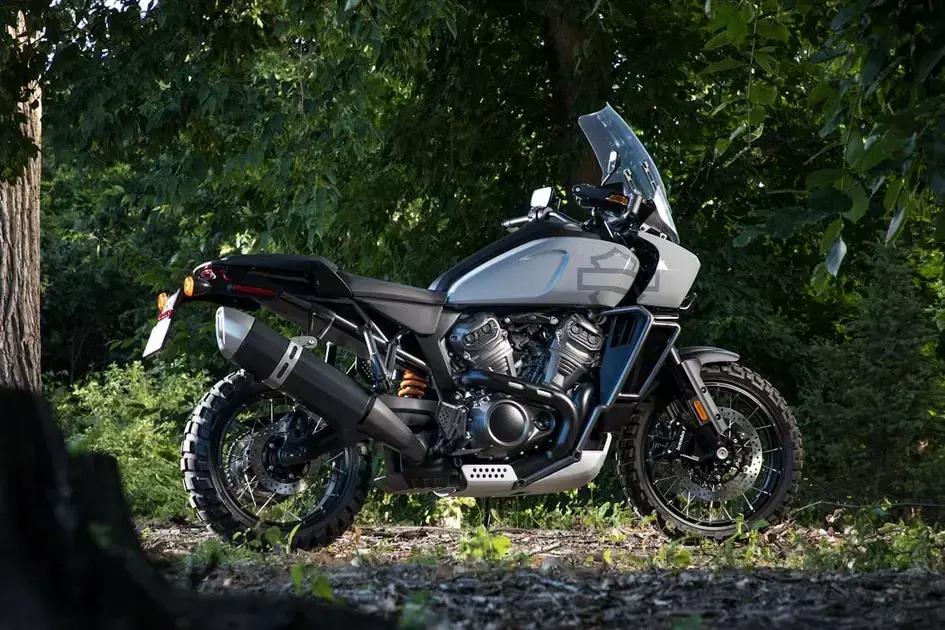
Choosing the right insurance policy for your subscribed e-bike doesn’t have to be complicated. By following a few clear steps, you can make sure you have the protection you need without overpaying. Let’s walk through how to select the best option for your riding habits and peace of mind.
First, carefully review your e-bike subscription or lease agreement. Many companies specify minimum insurance requirements or may even offer their own bundled coverage. Understanding what’s mandated or already available is your starting point. Note any specific terms they highlight related to theft or damage responsibility.
Evaluate Your Needs and Risks
Next, think about how and where you’ll be riding. Do you commute daily through busy city streets, or will you mostly use it for leisurely weekend rides in safer areas? Your usage patterns influence your risk level. Also, consider your personal financial situation. How much could you comfortably afford to pay out-of-pocket if the bike were stolen or damaged? This helps determine the level of coverage and deductible you’re comfortable with.
Then, compare the available policy options. If your subscription service offers a bundled insurance plan, examine its details closely. What does it cover – theft, accidental damage, liability? What are the limits for each? If you need to find a standalone policy, research insurers specializing in e-bike or micro-mobility coverage. Look at what different providers offer in terms of these core protections.
Scrutinize the Details: Limits and Deductibles
Pay close attention to the coverage limits and deductibles of any policy you consider. The coverage limit is the maximum amount the insurer will pay for a claim. The deductible is the amount you’ll pay out of your own pocket before the insurance kicks in. A lower deductible usually means a higher premium, and vice-versa. Find a balance that works for your budget and risk tolerance.
Don’t forget to read the fine print, especially the exclusions. Policies will list specific situations or types of damage that are not covered. For example, theft might only be covered if you used an approved type of lock, or damage from racing might be excluded. Understanding these exclusions is vital to avoid surprises later. Finally, weigh the cost of the premium against the benefits and peace of mind the policy offers. Is the protection worth the price for your specific situation?
Comparing top insurers for subscription riders
When looking for insurance for your subscribed e-bike, it’s helpful to know how to compare different providers. Not all insurers offer policies specifically for e-bike subscriptions, so understanding where to look and what to compare is key to finding suitable coverage. The goal is to find a policy that matches your needs without overpaying.
Your first step should often be to check with your e-bike subscription service directly. Many offer their own insurance plans, sometimes called lease bundle coverage, which are tailored to their e-bikes and rental terms. This can be convenient, but it’s still smart to see how these plans stack up against other options.
Key Comparison Factors When Choosing an Insurer
As you evaluate different insurers or policies, concentrate on these important aspects:
- Coverage Specifics: What exactly does the policy cover? Ensure it includes robust protection for common risks like theft, accidental damage to the e-bike, and third-party liability (if you injure someone or damage their property). Check for exclusions relevant to subscription e-bikes.
- Policy Limits and Deductibles: Understand the maximum payout for a claim (the limit) and the amount you’ll pay first (the deductible). A lower deductible often means a higher monthly premium, so you’ll need to find a balance that suits your budget.
- Premium Costs: Obtain quotes from a few different sources if possible. Make sure you’re comparing policies with similar levels of coverage to accurately judge the cost.
- The Claims Process: How easy is it to file a claim if something happens? Research insurers known for clear and efficient claim settlements. Customer reviews can offer good insights here.
- Customer Support: Reliable customer service is valuable, especially when you need assistance or have to make a claim. Look into insurer ratings and general reputation.
Keep an eye out for specialized micro-mobility insurers. These companies focus on e-bikes, e-scooters, and similar vehicles, so they often have a deeper understanding of the specific risks involved with e-bike subscriptions. While some traditional insurers might cover personal property, these policies might not fully address the nuances of a leased e-bike and could have critical exclusions.
Always make it a point to read the entire policy document carefully before you decide. The details in the terms and conditions define your actual coverage. Comparing insurers for your subscription e-bike is about more than just the price; it’s about securing the right protection and peace of mind for your rides.
Real claims: stories from urban commuters
Hearing about real-life situations can truly highlight why having insurance for your subscribed e-bike is so important, especially for daily urban commuters. These aren’t just hypotheticals; they are experiences that show the practical value of being covered when navigating city streets.
The Disappearing E-Bike Act
Imagine Sarah’s situation. She’s a graphic designer who relied on her subscribed e-bike for her daily commute. She always used the recommended lock, but one evening, she returned to the bike rack to find it gone – a clear case of theft. The e-bike company’s policy stated she was responsible for the replacement, which was close to $1,800. Luckily, Sarah had opted for the e-bike subscription insurance offered. After submitting her claim and paying a $200 deductible, her insurance covered the remaining cost. This meant she could get back to her commute without a massive, unexpected bill.
An Unfortunate Tangle with a Car Door
Then there’s Michael, who was carefully riding in a bike lane when a car passenger suddenly opened their door right in his path. He couldn’t avoid a collision, which resulted in a bent front wheel and some damage to the e-bike’s electronic display. The repair estimate was over $500. Michael was worried, but his accidental damage coverage through his e-bike lease insurance handled the repairs. He only had to cover his $100 deductible, and the repair shop dealt directly with the insurer for the rest. He was back on his bike in a few days, the incident more of an annoyance than a financial crisis.
Liability Covered in a Minor Mishap
Consider Priya’s experience. While maneuvering through a busy pedestrian area, she lightly bumped into someone who stumbled and dropped their expensive smartphone, cracking the screen. The pedestrian was understandably upset. Priya’s third-party liability insurance, included in her e-bike subscription protection plan, took care of the cost to repair the smartphone. This resolved the situation amicably and saved Priya from paying out-of-pocket for the damage, which could have been several hundred dollars. These real stories from urban commuters demonstrate that while you hope never to need it, having the right insurance provides essential financial protection and peace of mind.
Tips to avoid gaps between rentals and coverage
When you rely on rented or subscribed e-bikes, making sure you have continuous insurance coverage is very important. A gap in your protection, even for a short time, could leave you facing big bills if something unexpected happens. Let’s look at some useful tips to help you avoid these expensive breaks between your rental times and your insurance policy dates.
One of the easiest and best ways to stop coverage gaps is to carefully check your insurance policy’s start and end dates. Make sure they match your e-bike rental or subscription times exactly. Don’t just assume they line up. If you’re changing rental companies or e-bikes, try to have overlapping coverage. This means your new insurance policy should start before your old one ends. Even if you pay for a short time of double coverage, it’s often worth it for ongoing peace of mind.
Confirming Coverage Details is Key
Some insurance policies might give you a short grace period after they end, but it’s risky to count on this. Always ask your insurer directly about their rules. More importantly, if you switch to a different e-bike model or a new subscription service, always confirm that your current insurance policy specifically covers the new bike. Things like the bike’s value or model could change your coverage, and an unconfirmed switch might accidentally create a gap.
Talking regularly with your insurance provider is key. Tell them quickly about any changes to your rental, like making a rental longer, pausing a subscription, or getting a new e-bike. Lastly, understand how your policy renews. Does it renew on its own, or do you need to do something? Setting a calendar reminder before your policy ends can help make sure you don’t let it run out, leaving you uninsured for your next ride.
Impact of local laws on e-bike insurance requirements
When you’re riding a subscribed e-bike, it’s easy to think one set of rules applies everywhere. However, local laws regarding e-bike insurance can change a lot from one city or state to another. What’s perfectly fine in one area might not be enough in the next, and this directly affects what kind of insurance you might need for your rented e-bike. These rules can influence whether insurance is optional or a legal must-have.
Some places, for instance, might have specific rules requiring e-bike riders to carry at least a minimum amount of liability insurance. This is often true for faster e-bikes, sometimes called Class 3 e-bikes, because they can travel at higher speeds. These rules are there to help cover costs if you accidentally injure someone or damage their property while riding your subscription e-bike. The e-bike rental company itself may also be subject to local regulations regarding the insurance they must offer or ensure riders have.
Finding Out Your Local E-Bike Rules
So, how do you find out what your local area requires? It’s your responsibility as a rider to check this information. Good places to start your research are your local Department of Motor Vehicles (DMV) website or your city or county’s official online resources where ordinances are published. Sometimes, the e-bike subscription company itself might provide information on local requirements for the areas they operate in, but verifying independently is always a good idea.
Knowing these local regulations is important because it can influence what type of insurance policy you choose for your e-bike subscription. Even if your area doesn’t force you to have insurance, understanding local traffic patterns or accident rates might make you decide to get more coverage for your own peace of mind. Ignoring mandatory insurance laws where they exist can lead to fines or other legal problems, so it’s always best to be informed before you ride.
When to switch from subscription to ownership coverage

E-bike subscription insurance is fantastic while you’re leasing, offering tailored protection for your rented ride. However, there comes a point where your e-biking journey might shift. If you decide that you love e-biking so much that you want to buy your own, your insurance needs will change significantly. This is the primary signal for when to switch from subscription-based coverage to an ownership policy.
Once you transition to personal ownership of an e-bike, the insurance policy tied to your previous subscription or lease agreement will likely no longer apply or be suitable. Subscription insurance is specifically designed for the arrangement where you don’t own the bike. When the e-bike is yours, you need a policy that reflects this new status, covering your asset directly.
Making the Move to a Personal Policy
The exact moment to switch is typically when you complete the purchase of your own e-bike and your subscription or lease ends. Don’t assume your subscription coverage will carry over. You’ll want to have an ownership policy in place from day one of owning the bike. This could be a specific e-bike insurance policy, or it might involve adding your new e-bike as personal property to your existing homeowner’s or renter’s insurance. However, always check the specifics, as e-bikes, especially higher-value ones, may require their own dedicated policy for adequate coverage against theft, damage, and liability.
Ownership policies can also offer more comprehensive options or allow for higher coverage limits than what might be available through a standard lease bundle. It’s your asset now, so you’ll want to ensure it’s protected according to its value and your usage. The key is to ensure there’s no gap in coverage between ending your subscription and having your new ownership policy active.
Securing Your Ride: The Smart Choice of E-Bike Subscription Insurance
Navigating the world of e-bike subscriptions or leases offers incredible freedom, but it also brings unique responsibilities. As we’ve explored, from understanding the crucial need for specific e-bike subscription insurance to avoid coverage gaps, to recognizing the common risks like theft, damage, and liability, being prepared is key. We’ve seen how lease bundle coverage can be a cost-effective solution and how monthly protection generally shields you from significant unexpected expenses.
Choosing the right policy involves a few careful steps, including comparing insurers and paying attention to local laws that might dictate requirements. Real-life claim stories highlight just how valuable this protection can be for everyday urban commuters. And, importantly, we’ve touched on how to maintain continuous coverage and when it’s time to switch to an ownership policy if you decide to buy your own e-bike.
Ultimately, investing a little in the right insurance means you can enjoy the convenience and fun of your subscribed e-bike with much greater peace of mind. It’s about smart riding and ensuring that a bump in the road doesn’t derail your finances. So, before you hop on for your next journey, make sure your e-bike subscription insurance has you covered – it’s a small step for a much smoother ride.
FAQ – E-Bike Subscription & Leasing Insurance
Why is specific insurance needed for a subscribed or leased e-bike?
Standard homeowner’s or renter’s insurance often doesn’t cover leased vehicles like e-bikes. Subscription-specific insurance is tailored to cover risks like theft, damage, and liability for an e-bike you don’t own, which your rental agreement likely requires.
What are the biggest risks e-bike renters face without proper insurance?
The main risks include being financially responsible for the full replacement cost if the e-bike is stolen, paying for expensive repairs if it’s damaged, and covering costs if you injure someone or damage their property while riding.
How can lease bundle coverage save me money on e-bike insurance?
Lease bundle coverage, often offered by the e-bike subscription company, can provide insurance at a more competitive rate than standalone policies because the company negotiates group rates. It also ensures the coverage is appropriate for the specific e-bike model.
What does typical monthly e-bike protection cover?
Monthly protection usually includes coverage for theft of the e-bike, accidental damage to the e-bike itself (often with a deductible), and third-party liability, which covers costs if you’re responsible for injuring someone or damaging their property.
Do local laws impact the insurance I need for my rented e-bike?
Yes, local laws can vary significantly. Some cities or states may mandate minimum liability coverage for e-bike riders. It’s important to check your local regulations to ensure you meet any legal insurance requirements.
If I buy my own e-bike after subscribing, do I need different insurance?
Yes. Once you own the e-bike, your subscription insurance will likely no longer be valid or appropriate. You’ll need to switch to an e-bike ownership policy, which might be a specific e-bike policy or an add-on to your homeowner’s/renter’s insurance, to protect your personally owned asset.