Family e-bike insurance provides a unified policy to protect multiple electric bicycles within one household, offering comprehensive coverage against theft, damage, and liability for all listed riders, often simplifying management and potentially lowering overall premium costs compared to individual plans.
Advertisement
Ever wondered how to guard every two-wheeled adventure under one roof? family e-bike insurance bundles the bikes—and the drama—into a single safety net, sparing your wallet when life swerves.
The rise of family e-biking and why coverage matters
More and more families are discovering the joy and convenience of e-biking. It’s a fantastic way to explore together, make commuting easier, and add a bit of pedal-assisted fun to everyday trips. You might see families using them for school runs, weekend adventures in the park, or simply getting around town in an eco-friendly way. This growing trend means more households own multiple e-bikes, often representing a significant financial investment.
Why E-Bike Coverage is Increasingly Important
With this rise in e-bike use, understanding the need for proper insurance is key. E-bikes are valuable assets, often costing thousands of dollars, making them a target for theft. Beyond theft, there’s the risk of damage from accidents, whether it’s a minor scrape or something more serious requiring expensive repairs or replacement. Standard homeowner’s or renter’s insurance policies may offer limited or no coverage for e-bikes, especially when they are used away from your property or if they exceed certain speed or power limitations. This is where dedicated family e-bike insurance steps in. It’s not just about protecting the bikes themselves; it’s also about potential liability if an e-bike rider in your family accidentally causes injury or property damage. Securing the right coverage ensures that your family can enjoy the benefits of e-biking with greater peace of mind.
Core risks a household policy should handle
When choosing a family e-bike insurance policy, it’s vital to ensure it covers the key dangers your household might face. Think beyond just the bikes themselves. A comprehensive policy offers peace of mind by tackling several common problems. First and foremost is theft. E-bikes are attractive targets, whether parked outside a shop or stored in your garage. Your policy should cover theft both at home and when you’re out and about.
Another major concern is accidental damage. Accidents happen, from a simple tumble causing a bent wheel to more serious collisions resulting in significant repair costs or even a total loss of the e-bike. Good coverage will help with these unexpected expenses. Then there’s liability – this is a big one. What if a member of your family accidentally injures someone while riding their e-bike, or damages someone else’s property, like a car? A solid household e-bike policy should include liability protection to cover these situations, helping with legal fees and compensation claims.
Advertisement
Other Important Protections
Don’t overlook risks like vandalism. It’s frustrating to find your e-bike intentionally damaged. Coverage for such malicious acts is important. Finally, consider protection against unforeseen events like fire or certain natural disasters that could destroy your e-bikes. Ensuring your policy addresses these core risks means your family can ride with greater confidence, knowing you’re financially protected against the most common e-bike related mishaps.
How a joint deductible works when kids share rides
Understanding how a joint deductible works is key, especially when kids in the family share e-bikes or have their own. Think of a deductible as the amount your family agrees to pay out-of-pocket for a covered claim before the insurance company starts paying. With a family e-bike insurance policy, you typically have one joint deductible for all the e-bikes and riders covered under that single policy.
So, how does this play out if a child has an accident? If one of your kids is riding an insured e-bike and an incident occurs that leads to a claim (like damage to the bike), your family would be responsible for paying that single, agreed-upon deductible amount. For example, if your policy has a $250 deductible, you’d pay the first $250 of the repair costs, and the insurance would cover the rest of the approved claim amount. This same deductible applies whether it’s your son, daughter, or any other insured family member involved in an incident with one of the covered e-bikes. Each separate claim would typically involve paying that deductible again.
One Deductible for the Family Unit
The main idea is that you’re not dealing with separate deductibles for each child or each e-bike within that one family policy for a single incident. If multiple insured e-bikes were damaged in the very same incident (a rare event, like a garage fire), how deductibles apply could vary by policy, so it’s good to clarify that specific scenario with your insurer. However, for common individual incidents, it’s generally one family deductible per claim. This simplifies understanding your potential out-of-pocket costs when any of the family’s insured e-bikes need coverage after an event.
The household multi-cycle policy model explained
A household multi-cycle policy is a smart way to insure all the bicycles in your home under one single plan. Instead of juggling separate insurance for each bike, especially if you have a mix of e-bikes, regular adult bikes, and kids’ bikes, this model groups them together. This simplifies your insurance management significantly. You’ll have one premium to pay, one renewal date to remember, and one point of contact for any claims related to any of the covered bikes.
How It Typically Works
With this type of policy, you’ll usually list all the bikes you want to cover. You give details like their make, model, and value. The policy then protects these listed bikes from theft and damage. It often covers liability too. This is great for families or households where many people ride different bikes. This streamlined approach means less paperwork. It can also give better coverage than basic home insurance. Home insurance often isn’t enough for e-bikes or many valuable bicycles, making a dedicated multi-cycle policy a more secure option.
Comparing costs: separate plans vs one family bundle
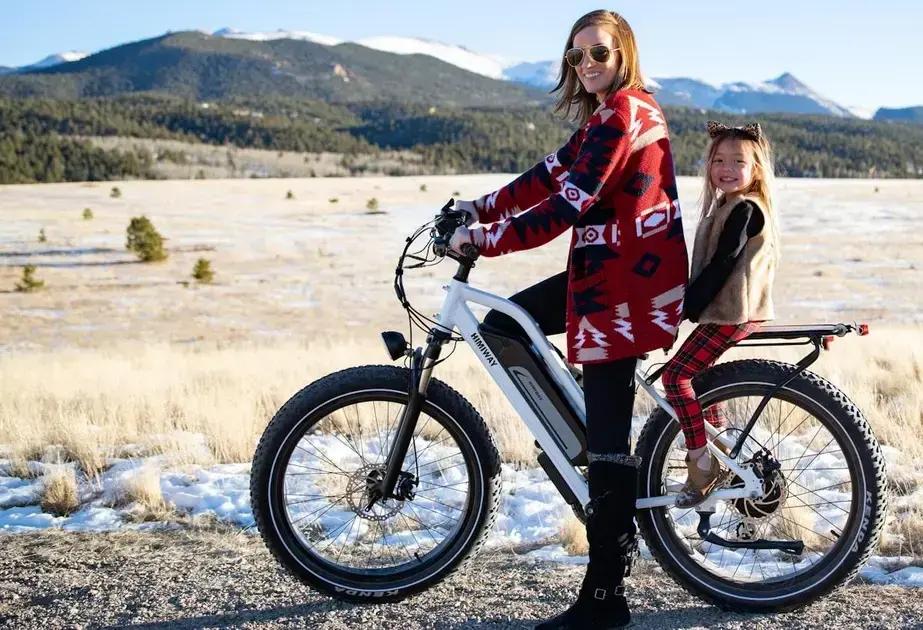
When looking at insurance for your family’s e-bikes, a big question is whether to get separate plans for each bike or go for a single family bundle. Often, bundling your e-bike insurance into one family policy can save you money. Think of it like multi-car insurance discounts; insurers may offer better rates when you cover multiple items under one umbrella. If you have two, three, or more e-bikes, paying individual premiums for each can add up quickly. Each separate policy also means more paperwork and different renewal dates to track.
The Family Bundle Advantage
A family e-bike insurance bundle, sometimes called a household multi-cycle policy, typically consolidates all your e-bikes into one plan. This usually results in a lower overall premium compared to the sum of individual plans. You’ll have one payment and one renewal date, which simplifies things a lot. For instance, insuring three e-bikes separately might cost significantly more than covering all three under a single family bundle. While exact savings vary based on the number and value of your e-bikes and your chosen coverage, a family bundle is generally more cost-effective and convenient for households with multiple e-bikes. It’s wise to get quotes for both options to see the actual difference for your specific situation.
What insurers look for: bike specs, rider ages, locations
When you’re applying for family e-bike insurance, insurers will ask for specific details to assess the risk and determine your premium. Providing accurate information is key to getting the right coverage. They’ll want to know about the e-bikes themselves. This includes the make, model, and purchase price or current value of each e-bike you want to insure. The value is especially important as it sets the coverage limit for damage or theft. Some insurers might also ask about the e-bike’s motor wattage or top assisted speed, as higher-powered e-bikes can sometimes carry different risk profiles.
Rider and Location Details Matter
Insurers will also consider who will be riding the e-bikes. The ages of the primary riders in your household are important. This helps them understand the experience level of the riders. For example, if there are young or teenage riders, this might be factored into the risk assessment. Finally, your location plays a significant role. They’ll need your primary address to understand the risks in your area, such as local theft rates. How and where the e-bikes are typically stored (e.g., in a locked garage, a shed, or inside your home) can also be a factor. Some insurers might also ask about the general areas where the e-bikes will be used. Being prepared with these details will make the application process smoother.
Add-ons worth considering, from roadside rescue to travel theft
While your main family e-bike insurance policy covers the essentials like theft and damage, certain add-ons can provide valuable extra protection tailored to how your family uses their e-bikes. Think of these as optional upgrades to boost your peace of mind. One very useful add-on is roadside rescue or assistance. Imagine a flat tire or a dead battery miles from home, especially if you’re out with the kids. This coverage can help arrange for transportation for you and your e-bike to a repair shop or back home, much like roadside assistance for a car. It’s a real stress-saver for adventurous families.
Protecting Your E-Bikes on the Go
Another crucial add-on to consider is travel theft coverage. If your family loves to take your e-bikes on vacations or trips to different cities, this is important. Standard policies might have limitations on coverage when your e-bike is stolen far from your primary residence or while in transit. Travel theft coverage specifically addresses this, ensuring your valuable e-bikes are protected even when you’re exploring new places. Some policies might also offer enhanced coverage for accessories like GPS units or special bike carriers if they are stolen along with the bike. Carefully review these options to see if they match your family’s e-biking lifestyle and provide the extra security you need.
Claim scenarios: small scrapes to total loss, step-by-step
Understanding how to file a claim for your e-bike can make a stressful situation much easier. The process generally follows a few key steps, whether it’s for a minor issue or a major one. Let’s say one of your family’s e-bikes gets a small scrape or minor damage from a fall. First, document the damage with clear photos. Then, check your policy’s deductible. If the repair cost is less than or close to your deductible, you might decide not to file a claim. If it’s more, contact your insurer. You’ll likely need to provide the photos, a description of what happened, and perhaps a repair estimate from a bike shop. Once approved, you’ll pay your deductible, and the insurance will cover the remaining approved repair costs.
Handling a Total Loss Claim
Now, consider a more serious scenario, like your e-bike being stolen or damaged beyond repair – a total loss. The first crucial step for theft is to report it to the police immediately and get a police report number; your insurer will require this. For severe damage, take photos if possible. Contact your insurance provider as soon as you can. You’ll need to provide the police report (for theft), details of the incident, proof of ownership (like a sales receipt), and information about the e-bike. The insurer will investigate the claim. If approved, they will typically pay out the bike’s value according to your policy terms (which could be its actual cash value or replacement cost), minus your deductible. Keeping good records and communicating clearly with your insurer helps streamline this process for any claim scenario.
Smart maintenance habits that keep premiums low
Taking good care of your family’s e-bikes can do more than just keep them running well. It can also help manage your insurance costs. When insurers see you’re maintaining your e-bikes, you appear as a lower risk. Fewer issues and accidents often lead to fewer insurance claims, which can positively affect your premiums over time.
Simple habits make a real difference. Regularly clean your e-bikes, especially after wet or muddy rides. A clean bike helps you spot small problems early. Remember to lubricate the chain to prevent wear and ensure smooth operation. These small steps can prevent bigger, more expensive issues down the road.
Vital Checks for Safer Riding and Savings
Always check your tires. Make sure they have enough air and look for any damage. Good tire pressure means better control and fewer flats. Test your brakes before each ride to ensure they work perfectly. Reliable brakes are key for safety and avoiding accidents. Proper battery care is also crucial. Follow the maker’s advice for charging and storage to keep the battery healthy for longer. Secure storage is another smart habit. Use strong locks and keep your e-bikes in a locked space like a garage or shed when not in use. While insurers don’t usually give discounts just for cleaning, a good history with few or no claims, often a result of good maintenance, is a strong factor in keeping your insurance premiums stable or even helping to lower them when it’s time to renew.
Choosing a provider: red flags and trust indicators

Picking the right insurance provider for your family’s e-bikes is a big decision. You want a company you can rely on when you need them most. Look for trust indicators that show a provider is reputable and customer-focused. One key sign is clear and easy-to-understand policy documents. If the wording is straightforward and they openly explain what is and isn’t covered, that’s a good start. Check online reviews and testimonials from other e-bike owners. Consistently positive feedback about their claims process and customer service is a strong trust signal. Also, test their responsiveness. If they answer your questions promptly and thoroughly before you even sign up, it often means they’ll be helpful later on.
Red Flags to Watch Out For
Conversely, there are red flags that should make you cautious. Be wary if a provider’s policy terms are vague, full of jargon, or difficult to understand. This could lead to surprises when you make a claim. A large number of negative reviews, especially those detailing problems with claim payouts or poor communication, is a serious concern. Avoid providers who use high-pressure sales tactics or try to rush you into a decision. If their prices seem significantly lower than all competitors, investigate carefully – it might mean less coverage or more exclusions. Difficulty getting clear answers to your questions or a lack of transparency about their claims process are also warning signs. Taking the time to research and choose a trustworthy provider is essential for your peace of mind.
One Policy, Total Peace of Mind: Your Family E-Bike Insurance Guide
Getting the right family e-bike insurance means your whole crew can ride happy and safe. We learned that one good policy can make it easy to cover your e-bikes from risks like theft or damage. It can also save money compared to many separate plans.
Knowing about things like shared deductibles, what info insurers want, and how a family plan works helps you choose well. Think about extra coverage you might need, like roadside help. Good bike care can also help. Picking a trusted company is key for when you need help.
With the right single policy, your family can worry less and enjoy e-bike rides more. It’s about protecting your fun adventures together.
FAQ – Your Family E-Bike Insurance Questions Answered
Why do we need special insurance if we have homeowner’s insurance?
Homeowner’s insurance often has limits on e-bike coverage, especially for theft away from home or for higher-value e-bikes. Dedicated family e-bike insurance offers more specific protection for theft, damage, and liability.
Is it really cheaper to get one family policy for all our e-bikes?
Usually, yes. Bundling multiple e-bikes under one family policy often costs less than insuring each bike separately, much like multi-car discounts. It also simplifies paperwork with one premium and one renewal date.
What if my child damages their e-bike? How does the deductible work?
With a family policy, you’ll typically have one joint deductible. If your child damages their covered e-bike, your family would pay that single deductible amount, and the insurance would cover the rest of the approved claim.
Will our e-bikes be covered if they’re stolen while we’re on vacation?
Standard policies might have limitations for theft during travel. Look for specific travel theft coverage or an add-on to ensure your e-bikes are protected when you’re away from home.
What details do insurers need when we apply for family e-bike insurance?
Insurers usually ask for the make, model, and value of each e-bike, the ages of the riders in your household, and your primary address and where the bikes are stored.
Can regularly maintaining our e-bikes help lower our insurance costs?
While there isn’t usually a direct discount for maintenance, keeping your e-bikes in good shape can lead to fewer claims. A good claims history is a positive factor that can help keep your premiums stable or even lower at renewal.