Marine cargo insurance provides crucial financial protection for goods in transit by sea, covering loss or damage from maritime perils like storms or sinking, and addressing unique liabilities such as General Average, helping safeguard businesses against unexpected losses during shipment.
Advertisement
marine cargo insurance might sound like dry paperwork, yet it’s the life jacket for everything packed on a ship. Ever pictured your goods dancing in a storm off Cape Horn? Stick around and see how smart shippers keep calm.
why ocean cargo faces unique risks
Shipping goods across the ocean presents a distinct set of challenges not typically encountered in land-based transport. The vastness and unpredictability of the sea mean your cargo is exposed to dangers that require specific attention and protection. These aren’t just minor inconveniences; they can be significant threats to your shipment’s safety.
Navigating Nature’s Fury and Vessel Perils
One of the most significant risks is severe weather conditions. Imagine massive waves, powerful storms, and turbulent seas that can cause cargo to shift, get damaged by water, or even be swept overboard. Beyond the weather, the vessels themselves face dangers. There’s the risk of the ship sinking, running aground, or colliding with other vessels or submerged objects. Fire and explosions on board are also critical perils that can lead to total loss of cargo.
Human Elements and Unique Maritime Risks
It’s not solely about natural forces; human factors and unique maritime situations also contribute to the risks. Improper handling or stowage of cargo either at the port or on the ship can result in damage. Think of goods being crushed, broken, or contaminated because they weren’t secured correctly. While less frequent in some regions, theft and piracy remain genuine threats on certain international shipping routes. A particularly unique risk in maritime shipping is General Average. This principle means that if a portion of the cargo or the ship itself must be voluntarily sacrificed to save the rest of the voyage (for instance, jettisoning containers during a severe storm), all parties involved in the venture proportionally share the loss. This can impact your finances even if your specific goods were not the ones sacrificed. Furthermore, delays caused by port congestion or unforeseen diversions can lead to spoilage for perishable items or missed market deadlines for time-sensitive products.
These examples underscore why ocean cargo is vulnerable to a special category of risks, making comprehensive insurance crucial for peace of mind.
Advertisement
key perils covered by a standard policy
When you secure a standard marine cargo insurance policy, you’re primarily protecting your goods against major, specified risks that can occur during their ocean voyage. Think of it as a safety net for the big, unexpected events. These policies don’t cover every conceivable problem, but they address significant perils that are common to sea transport.
Catastrophic Vessel Incidents
A core part of standard coverage deals with severe issues affecting the entire vessel. This includes financial protection if your cargo is lost or damaged due to the ship sinking, stranding (running aground), or capsizing. If the vessel experiences a collision or makes contact with any external object, like another ship, an iceberg, or a pier (but not just water itself), resulting damage to your cargo is typically covered. Also, if cargo must be discharged at a port of distress—a port the vessel is forced into due to an emergency—and your goods suffer loss or damage as a result, this is often included.
External Damaging Events
Beyond incidents involving the vessel’s overall integrity, standard policies usually cover loss or damage caused by fire or explosion on board. Another classic maritime peril covered is jettison, which is the deliberate act of throwing cargo overboard to save the ship and the remaining cargo during an emergency. Similarly, if your goods are washed overboard by heavy seas, this is a common covered peril. Some policies also address loss or damage caused by the entry of sea, lake, or river water into the vessel, hold, container, or place of storage, depending on the specific clauses.
Shared Sacrifices and Rescue Costs
Marine ventures sometimes require sacrifices for the common good. If a General Average sacrifice occurs, meaning part of the ship or cargo is intentionally sacrificed to save the entire voyage from a peril (like putting out a fire or refloating a stranded vessel), your policy will typically cover your contribution to this shared loss. Furthermore, salvage charges—reasonable expenses incurred to save the cargo from a covered peril after an accident—are also usually included in a standard policy. It’s important to review your specific policy documents, as the exact perils covered can vary, but these are the cornerstones of most standard marine cargo insurance protections.
differentiating institute cargo clauses a, b and c
Understanding the differences between Institute Cargo Clauses A, B, and C is key to selecting the right marine insurance for your goods. These clauses define the extent of coverage you receive, ranging from basic to comprehensive protection. They are standardized terms used globally, making them a benchmark in the industry.
Clause C: The Basic Cover
Institute Cargo Clause C offers the most limited level of coverage. Think of it as protection against major catastrophes. It typically covers loss or damage to your cargo directly caused by specific events such as fire or explosion, the vessel being stranded, grounded, sunk, or capsized, and collision or contact of the vessel with an external object (other than water). It also includes coverage for general average sacrifice and jettison – when cargo is deliberately thrown overboard to save the ship. This clause is often chosen for goods that are less susceptible to damage or for shippers with a higher risk tolerance.
Clause B: The Intermediate Protection
Institute Cargo Clause B provides a broader scope of coverage than Clause C. It includes all the perils covered under Clause C, but adds protection against further risks. These additional perils often include loss or damage caused by earthquake, volcanic eruption, or lightning. Crucially, Clause B typically covers entry of sea, lake, or river water into the vessel, hold, container, or place of storage, and total loss of any package lost overboard or dropped during loading or unloading operations. This makes it a popular choice for a wider variety of goods that might be sensitive to such events.
Clause A: The Most Comprehensive Coverage
Institute Cargo Clause A offers the widest level of protection and is often referred to as an \”all risks\” policy, though it’s important to remember it still has exclusions. This clause covers all risks of loss or damage to the insured cargo, except for those specifically excluded in the policy wording. Exclusions commonly involve issues like willful misconduct of the insured, ordinary leakage or wear and tear, insufficient packing, or inherent vice (a natural characteristic of the goods that causes them to deteriorate). While it’s the most extensive, Clause A provides peace of mind by covering a multitude of unforeseen accidental events not explicitly named, beyond what Clauses B and C offer.
Choosing between Clauses A, B, and C depends on the nature of your cargo, its value, the shipping route, and your overall risk management strategy.
understanding general average and salvage charges
Two unique maritime principles can lead to unexpected costs when shipping goods by sea: General Average and Salvage Charges. Understanding these is key for anyone involved in international trade, as they represent shared financial responsibilities arising from emergencies at sea.
General Average: Sharing the Sacrifice
Picture this: a container ship faces a severe storm, and to prevent the vessel from sinking and save the remaining cargo, the captain orders some containers to be jettisoned (thrown overboard). This deliberate sacrifice of cargo or ship’s equipment for the common safety of the entire voyage is a General Average act. Under maritime law, all parties whose interests were saved (the shipowner and all cargo owners) must contribute proportionally to make good the losses incurred by those whose property was sacrificed. So, even if your goods arrive untouched, you might be liable for a share of these costs. Marine cargo insurance typically covers these General Average contributions, protecting you from this shared burden.
Salvage Charges: Paying for Rescue
Salvage Charges, on the other hand, arise when your cargo (and the ship carrying it) is rescued from a dangerous situation by a third party, known as a salvor. For instance, if a ship runs aground or catches fire, and an independent salvage company successfully saves the vessel and its cargo, they are entitled to a reward. This reward is the salvage charge. The cost is then apportioned among all the owners of the saved property, including the owners of the cargo. If your goods are part of what’s saved, you’ll need to pay your share. Marine cargo insurance is also designed to cover these salvage charges, ensuring you’re not left with a massive bill for rescue operations.
Both General Average and Salvage Charges underscore the financial interdependencies in maritime ventures. These are not typical transport costs and are specific to the unique perils faced on the ocean.
declared value versus invoice value: setting the sum insured
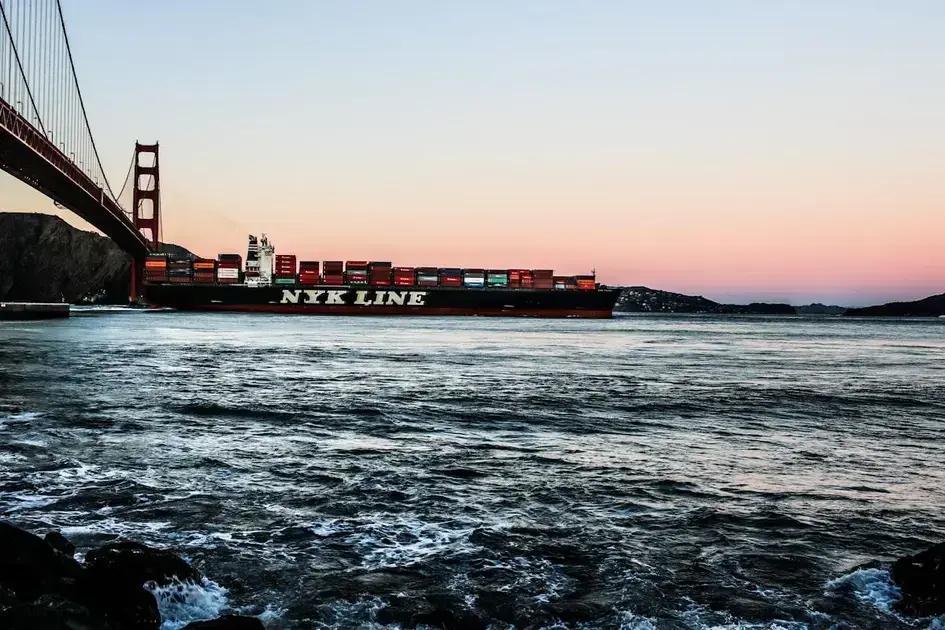
Getting the sum insured right for your marine cargo insurance is super important. It’s the maximum amount your insurer will pay if your goods are lost or damaged. Two key terms pop up here: invoice value and declared value. Let’s see how they’re different and why it matters for your coverage.
What’s the Invoice Value?
The invoice value is pretty straightforward. It’s the price of your goods as shown on the commercial invoice. This is usually what you paid for the items, or what your buyer paid you. Sometimes, if your shipping terms are CIF (Cost, Insurance, Freight), this invoice value might already include the cost of the goods, the shipping fee, and a basic insurance amount. It’s the starting point for figuring out insurance.
Then There’s Declared Value – Your Sum Insured
The declared value is the amount you actually tell your insurer your cargo is worth for the insurance policy. This becomes your sum insured. Often, this declared value is higher than just the plain invoice value. Why? Because you might want to cover more than just the cost of the goods. Shippers often add the cost of freight (if not already included), the insurance premium itself, and then an extra percentage, maybe 10% or 20% (often called an ‘uplift’ or ‘plusage’). This extra bit helps cover other potential costs if things go wrong, like lost profits or expenses to get replacement goods quickly.
Why Setting the Right Sum Insured Matters
If you only insure for the basic invoice value and your cargo is totally lost, you might not get enough money back to cover everything. You could be out of pocket for shipping costs, import duties you already paid, or the profit you expected. By declaring a sum insured that includes these extras (like the common CIF + 10% approach), you ensure you’re more fully protected. This helps you get back on your feet financially without big gaps if a claim happens. It’s about making sure the insurance payout truly reflects the total financial impact of a loss.
how premiums are calculated: factors insurers weigh
So, how do insurance companies figure out the cost of your marine cargo insurance premium? It’s like a recipe, with different ingredients adding up to the final price. They don’t just guess; they look at many details about your shipment to understand the risks involved.
What Kind of Goods and How Much Are They Worth?
First, they consider what you’re shipping. Is it something fragile like glassware, or robust like metal bars? High-value electronics will naturally have a different risk profile, and thus premium, compared to low-value bulk commodities. If your goods are perishable, like fresh produce, or are particularly attractive to thieves (think designer apparel or spirits), these factors increase the perceived risk. The total sum insured—the maximum value you’re covering—is a primary driver; the higher the value, the higher the potential payout and thus the premium.
The Journey Your Goods Take
Next, insurers carefully examine the voyage itself. The shipping route is critical; some routes are known for severe weather, higher instances of piracy, or political instability, all of which elevate risk. The length of the voyage and whether it involves transshipment (where cargo is moved from one vessel to another mid-journey) also play a part, as each handling stage introduces more chances for loss or damage. The type, age, and condition of the vessel carrying your cargo are also scrutinized; newer, well-maintained ships on established lines might attract lower premiums.
Packing, Protection, and Your Chosen Coverage
How well your items are packed is very important. Proper, professional packing and secure stowage (e.g., below deck versus on deck) can significantly reduce the likelihood of damage, which insurers view favorably. Then there’s the level of insurance coverage you select. A comprehensive ‘all risks’ policy, like Institute Cargo Clause A, which covers a wider range of potential perils, will cost more than a basic policy (like Clause C) that only covers specified major events.
Your History and Market Factors
Lastly, your past claims history can influence your premium. A consistently good record with few or no claims often leads to more favorable rates, while a history of frequent claims might suggest higher inherent risk. Broader insurance market conditions, such as overall industry losses or changes in reinsurance costs, can also have an indirect effect on premium levels. All these elements are weighed by underwriters to arrive at the final premium for your marine cargo policy.
steps to file a claim without drowning in paperwork
Discovering your cargo is lost or damaged can be stressful, but filing an insurance claim doesn’t have to be a bureaucratic nightmare. Following a few key steps can make the process smoother and help you avoid getting bogged down in endless paperwork.
Act Quickly When You Spot Trouble
The moment you suspect loss or damage to your shipment, notify your insurer or broker immediately. Don’t delay! Most policies have strict time limits for reporting claims. Also, take all reasonable steps to prevent further loss or damage to the goods. For example, if a container is leaking, try to move unaffected items or protect them. Your insurer will appreciate these efforts.
Gather Your Essential Documents
Good documentation is your best friend. Before you even start filling out forms, get your key papers in order. You’ll almost certainly need: The original insurance policy or certificate, the Bill of Lading (the contract with the carrier), the commercial invoice (showing the value of the goods), and the packing list (detailing the contents). If damage is visible, take clear photographs or videos before the goods are moved or unpacked further. Also, note any exceptions or remarks about damage on the delivery receipt when you receive the goods.
Formal Claim Submission and Inspection
Your insurer will likely provide a claim form. Fill this out accurately and completely. Attach copies of all your gathered documents. In many cases, especially for significant damage, the insurer will appoint a surveyor to inspect the damaged goods and assess the extent and cause of the loss. Cooperate fully with the surveyor and provide any additional information they request. This survey report is a crucial piece of evidence for your claim.
Keep Communication Clear and Organized
Maintain a record of all communications with the insurer, including dates, times, and names of people you speak with. Respond promptly to any requests for more information. Being organized and responsive can really speed things up. While some paperwork is unavoidable, a proactive and well-documented approach can prevent it from becoming overwhelming.
practical tips to minimize losses before they happen
While marine cargo insurance is there to cover you when things go wrong, taking proactive steps to prevent losses in the first place is always the best strategy. A little preparation can go a long way in ensuring your goods arrive safely at their destination.
Invest in Quality Packing
This is your first and most crucial line of defense. Don’t skimp on packing materials. Use sturdy, new boxes or crates suitable for the weight and nature of your goods. Inside, ensure items are well-cushioned with materials like bubble wrap, foam, or packing peanuts to prevent movement and absorb shocks. For goods sensitive to moisture, consider waterproof liners or desiccants. Think about the journey: your cargo will be stacked, moved by machinery, and potentially face rough seas. Proper labeling with handling instructions (e.g., ‘Fragile,’ ‘This Way Up’) is also vital.
Select Your Carrier and Route Carefully
Not all shipping lines or freight forwarders are created equal. Research potential carriers, looking into their reputation for reliability, safety records, and experience on your specific trade lane. Sometimes, paying a bit more for a reputable carrier with direct routes and better vessel maintenance can significantly reduce risk compared to cheaper options involving multiple transshipments. Be aware of the risks associated with your chosen route, such as common weather patterns, port congestion, or areas prone to piracy. Discuss these with your forwarder.
Ensure Clear Documentation and Instructions
Accurate and complete shipping documents are essential. Ensure your commercial invoice, packing list, and Bill of Lading are error-free and provide all necessary details. If your cargo requires special handling or stowage (e.g., temperature control, kept away from certain other goods), these instructions must be clearly communicated and documented. Misunderstandings due to poor paperwork can easily lead to improper handling and subsequent damage.
Consider Pre-Shipment Inspections
If feasible, especially for high-value or sensitive cargo, arrange for a pre-shipment inspection. This can verify the condition of the goods before they are packed and loaded. Also, inspect the shipping container itself before your goods are loaded. Ensure it is clean, dry, odor-free, and structurally sound, with no holes or damaged door seals that could allow water ingress. Supervising the loading process can also help ensure your goods are stowed correctly and securely within the container or vessel.
choosing a broker: questions to ask before signing
Selecting the right marine insurance broker is a critical step in securing the best protection for your cargo. This isn’t just about finding the cheapest quote; it’s about partnering with an expert who understands your needs. Before you sign any agreement, asking pointed questions can reveal a lot about their suitability for your business.
Gauge Their Experience and Specialization
Start by understanding their track record. You should ask: “What specific experience do you have with insuring cargo similar to mine, and on the particular trade routes I use?” Their familiarity with your product type (e.g., hazardous materials, perishables, high-value goods) and the risks associated with your shipping lanes is vital. Also inquire: “Can you provide references from clients in a similar industry or with similar shipping patterns?”
Understand Their Market Access and Policy Flexibility
A broker’s ability to access various insurers can impact your options. Ask: “Which insurance underwriters do you primarily work with, and do you have access to a broad range of domestic and international markets?” This helps determine if they can shop around for the best terms. It’s also important to know: “How do you approach tailoring a policy? Can you customize coverage beyond standard clauses to fit my unique risk exposures?”
Clarify Their Claims Process and Support
When a loss occurs, your broker’s support is crucial. Key questions include: “What is your exact role in the claims process from notification to settlement?” and “What is your typical timeframe for claims processing, and what support do you provide if there are disputes with the insurer?” You need a broker who will act as your advocate and efficiently manage the claims procedure.
Inquire About Service Levels and Remuneration
Define the working relationship upfront. Ask: “What are your communication protocols and expected response times for queries or policy adjustments?” Understanding their service commitment is important. And critically, for transparency: “How are you compensated? Is it through commission from the insurer, a fee-for-service, or a combination?” Asking these questions will help you choose a broker who truly aligns with your business needs and offers the best value.
emerging trends: tech and sustainability reshaping marine insurance
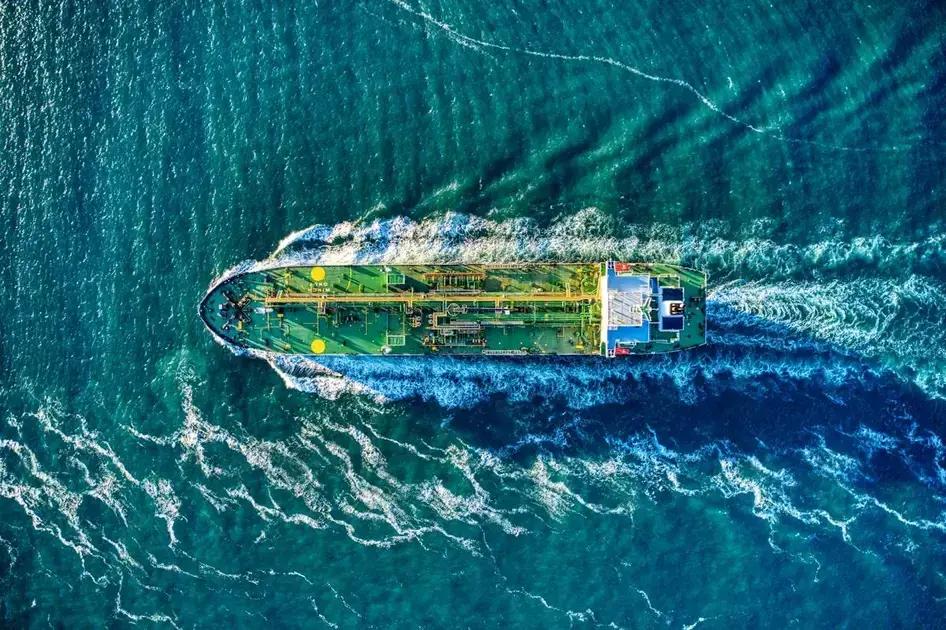
The world of marine cargo insurance is changing fast. New technologies and a big push for sustainability are bringing fresh ideas and challenges to how goods are protected at sea. These shifts are not just minor tweaks; they are reshaping the landscape for insurers and shippers alike.
Technology Steering Change
Imagine knowing exactly where your cargo is and its condition, every second of its journey! That’s what Internet of Things (IoT) sensors are starting to do. These tiny devices, attached to containers or even individual pallets, can track location, temperature, humidity, shock, and even if a container has been improperly opened. Insurers are excited because this real-time data helps them understand risks much better and can assist in loss prevention. Artificial Intelligence (AI) and Big Data analytics are also stepping in. These tools can sift through vast amounts of historical and real-time information to spot patterns, predict potential problems like port congestion or equipment failure, and even help detect fraudulent claims more effectively. Some experts believe AI could lead to more dynamic and personalized insurance premiums based on actual risk exposure during a specific voyage. Furthermore, blockchain technology is being explored for its potential to create super-secure, transparent, and tamper-proof digital records for shipping documents and claims processing, which could make the entire process much faster and more efficient for everyone involved.
Sustainability Making Waves
The shipping industry is also feeling significant pressure to become more environmentally responsible, and marine insurance is following this green wave. You will increasingly hear about Environmental, Social, and Governance (ESG) factors influencing insurance decisions. This means insurers might start looking more closely at how ‘green’ a shipping company’s operations are, the age and fuel efficiency of its vessels, and its overall commitment to sustainable practices. We could see insurance policies that actively reward companies using cleaner fuels, adopting slower steaming speeds to reduce emissions, or investing in innovative, eco-friendly technologies. As climate change potentially leads to more frequent and severe extreme weather events, insurers are also developing new models and products to cover these evolving risks. Your company’s shipping practices and overall environmental footprint might soon play an even bigger role in how your marine cargo insurance is priced and the terms and conditions offered.
These emerging trends suggest that shippers may be asked for more detailed data in the future. However, this could also lead to more sophisticated risk management tools, potentially fairer premiums for those who demonstrate good practices, and insurance products that are better tailored to the modern realities of global trade and environmental stewardship.
What’s the Bottom Line on Marine Cargo Insurance?
Navigating the world of marine cargo insurance might seem complex, but it’s truly your best shield when goods travel by sea. We’ve explored the unique risks ocean voyages carry and how standard policies offer a safety net against major perils like sinking, fire, or collisions. You’ve learned how vital it is to protect your shipments against these specific ocean-going threats.
Understanding the differences between Institute Cargo Clauses A, B, and C helps you pick the right level of protection, from basic to comprehensive, for your specific needs. We also demystified unique maritime concepts like General Average and Salvage Charges, and the importance of correctly setting your sum insured using declared versus invoice values. Knowing how premiums are calculated—based on your goods, the route, and even your packing—empowers you to manage costs. And if you do need to make a claim, a clear process and good documentation are key, just as proactive steps like careful packing can prevent losses in the first place.
Choosing a knowledgeable broker who asks the right questions and understands your business is a vital partnership. As we look to the future, exciting trends in technology, like advanced tracking with IoT and AI, alongside a growing emphasis on sustainability, are actively reshaping how marine insurance works, aiming for smarter and greener shipping. In the end, investing in the right marine cargo insurance isn’t just an expense; it’s a crucial decision for safeguarding your valuable goods and ensuring peace of mind as they journey across the waves. Don’t leave your cargo’s fate to chance!
FAQ – Your Marine Cargo Insurance Questions Answered
Why is marine cargo insurance especially important for goods shipped by sea?
Ocean transport exposes cargo to unique and severe risks like storms, vessel sinking, groundings, collisions, and even piracy, which are not typically encountered in land transit. Marine cargo insurance is designed to protect against these specific maritime perils and ensure your financial interests are covered.
What’s the simplest way to understand the difference between Institute Cargo Clauses A, B, and C?
Think of it as levels of coverage: Clause C offers basic protection against major catastrophes like fire or the vessel sinking. Clause B adds more named perils such as earthquake or entry of sea water. Clause A provides the most comprehensive ‘all risks’ coverage, protecting against most accidental loss or damage unless specifically excluded in the policy.
What does ‘General Average’ mean, and how could it affect me even if my own goods are undamaged?
General Average is a maritime principle. If a part of the ship or some cargo is deliberately sacrificed (e.g., jettisoned) to save the entire voyage from a common peril, all parties whose interests were saved must proportionally share that loss. So, even if your goods arrive safely, you could be liable for a contribution, which marine insurance typically covers.
Why might I insure my cargo for more than just its invoice value?
Insuring only for the invoice value might not cover all your potential financial losses. Many shippers add the cost of freight, the insurance premium itself, and an additional percentage (often 10-20%) to cover anticipated profit, customs duties, or other expenses incurred in replacing the lost goods.
What’s the very first thing I should do if I suspect my cargo is lost or damaged upon arrival?
You should immediately notify your insurer or insurance broker as soon as you discover or suspect loss or damage. Most policies have strict time limits for reporting claims. Also, take all reasonable steps to prevent further loss or damage to the goods and thoroughly document the situation with photos and notes on delivery receipts.
How can technology like IoT or AI impact my marine cargo insurance in the future?
Emerging technologies are set to make marine insurance more precise. IoT sensors can provide real-time tracking and condition monitoring of your cargo, while AI can help insurers better assess risks and potentially offer more tailored or dynamic pricing. This can lead to improved loss prevention and more efficient claims processing.