Parametric weather insurance provides swift, pre-determined payouts based on specific, measurable weather events like defined wind speeds or rainfall totals, rather than actual physical damage. This coverage uses an indexed weather payout system, ensuring rapid financial relief for policyholders when pre-agreed weather triggers are met, helping businesses and individuals recover quickly after storms.
Advertisement
parametric weather insurance sounds complex, yet it’s basically a fast cash lifeline when a storm messes up your plans. Imagine money hitting your account days—not months—after the wind calms; curious to see how it works?
How parametric coverage differs from traditional indemnity policies
Traditional indemnity insurance, the kind most people are familiar with, pays for the actual, proven losses you suffer. If a storm damages your shop, an adjuster visits, assesses the damage, and your policy pays to repair or replace what was specifically harmed. This process can take time because it involves verifying the extent of your individual damage.
Parametric weather insurance works differently. It pays a pre-agreed sum if a specific, measurable weather event occurs – think a hurricane reaching a certain wind speed, or a set amount of rainfall recorded by an official weather station. The payout isn’t based on your specific physical damage, but simply on the fact that the defined weather trigger was met.
Core Distinctions in How They Work
The primary difference is the basis for the payout. Traditional policies are about indemnifying your exact loss; you need to document what broke and how much it costs to fix. Parametric policies, however, are triggered by an external, verifiable parameter. If a storm hits and wind speeds officially exceed 100 mph (and that’s your trigger), the policy pays the set amount, regardless of whether your actual damage was more or less than that sum.
This means the claims process is vastly different. Traditional claims involve adjusters, inspections, and paperwork. With parametric coverage, once the independent data source (like a national weather service) confirms the trigger event, the payout is often automatic and very fast, sometimes within days. You don’t need to prove your specific loss, only that the trigger event happened as defined in your policy.
Advertisement
The mechanics behind trigger parameters and data sources
Parametric weather insurance relies on two key components: trigger parameters and data sources. These elements are clearly defined in your policy and work together to determine if and when a payout occurs. Understanding them is crucial to knowing how your coverage functions.
A trigger parameter is a specific, measurable weather condition that, if met or exceeded, initiates the insurance payout. Think of it as a pre-agreed line in the sand. Examples include a certain wind speed (e.g., 74 mph for a Category 1 hurricane), a specific amount of rainfall within a set period (e.g., 4 inches in 24 hours), or a particular magnitude for an earthquake at a defined location. These parameters must be objective and easily verifiable.
The Role of Independent Data Sources
For these triggers to be impartial, the information must come from reliable, independent data sources. These are typically official agencies or recognized third-party providers. Common data sources include the National Weather Service for wind speed and rainfall, the U.S. Geological Survey (USGS) for earthquake magnitude, or specific satellite data providers for things like wildfire burn scars or vegetation indices. The policy will explicitly name the data source(s) that will be used to verify if a trigger event has occurred.
The mechanics are straightforward: the chosen data source continuously monitors the relevant weather or seismic activity. If the data from this source shows that the pre-defined trigger parameter (e.g., wind speed at a specific airport weather station) has been met or surpassed, the condition for payment is fulfilled. This process removes the need for a claims adjuster to visit and assess individual damage, making the payout mechanism quick and transparent. The entire system hinges on the reliability and objectivity of both the defined parameter and the chosen data source.
Speedy payouts: timeline from storm event to money in hand
One of the most compelling features of parametric weather insurance is the remarkable speed of payouts. Unlike traditional insurance, where claims can take weeks or even months to process due to damage assessments and paperwork, parametric policies are designed for rapid fund dispersal. The timeline from a storm event to having money in hand is significantly shorter, often just a matter of days.
Here’s a typical sequence:
The Payout Journey: From Storm to Funds
First, the qualifying storm or weather event occurs. Then, the pre-agreed independent data source (like the National Weather Service) officially records and reports that the trigger parameter – such as a specific wind speed or rainfall amount – has been met or exceeded at the defined location. This verification is often swift, sometimes happening within hours or a day or two of the event’s conclusion.
Once the trigger is confirmed, the insurer is notified. Because the payout amount is pre-determined in the policy, there’s no need for lengthy negotiations or on-site damage assessments. The process moves directly to payment. Many modern parametric insurers leverage technology for automated payment processing, further accelerating this step. Policyholders can often expect funds to be transferred directly to their accounts within a few business days after the trigger confirmation.
This rapid access to capital is a game-changer, especially for businesses or communities needing immediate resources to start recovery, maintain cash flow, or cover urgent expenses after a disruptive weather event. The focus is on getting money to the insured quickly and efficiently when they need it most.
Understanding indexed weather payout calculations
Understanding how payouts are calculated in parametric weather insurance is key to appreciating its simplicity and speed. Unlike traditional insurance that assesses actual damage costs, parametric policies use an indexed weather payout system. This means the payout amount is directly tied to the intensity or magnitude of a specific weather event, as measured by a pre-agreed index.
The policy clearly defines the relationship between the event’s severity and the payout. Think of it like a sliding scale. For example, a policy might state that if a designated weather station records a certain level of rainfall (the index), a specific percentage of the insured sum is paid. If the rainfall is more intense, a higher percentage is paid, up to the full policy limit.
How the Index Determines Your Payout
Your insurance policy will specify the exact parameters. For instance, it might detail: if sustained wind speeds reach 80 mph at X location, 25% of the sum insured is paid; if they reach 100 mph, 50% is paid; and if they hit 120 mph, 100% of the sum insured is paid out. The actual figures and thresholds are customized when the policy is set up.
The beauty of this system is its transparency and objectivity. The calculation is based on data from an independent, agreed-upon source (like a national meteorological service). Once the data confirms the trigger event and its intensity on the index, the payout amount is automatically determined. There’s no negotiation or subjective assessment of loss; the payout is purely based on the pre-defined indexed calculation. This ensures clarity from the outset about how much you would receive under different storm scenarios.
Real-world case study: smallholder farmers in the Caribbean
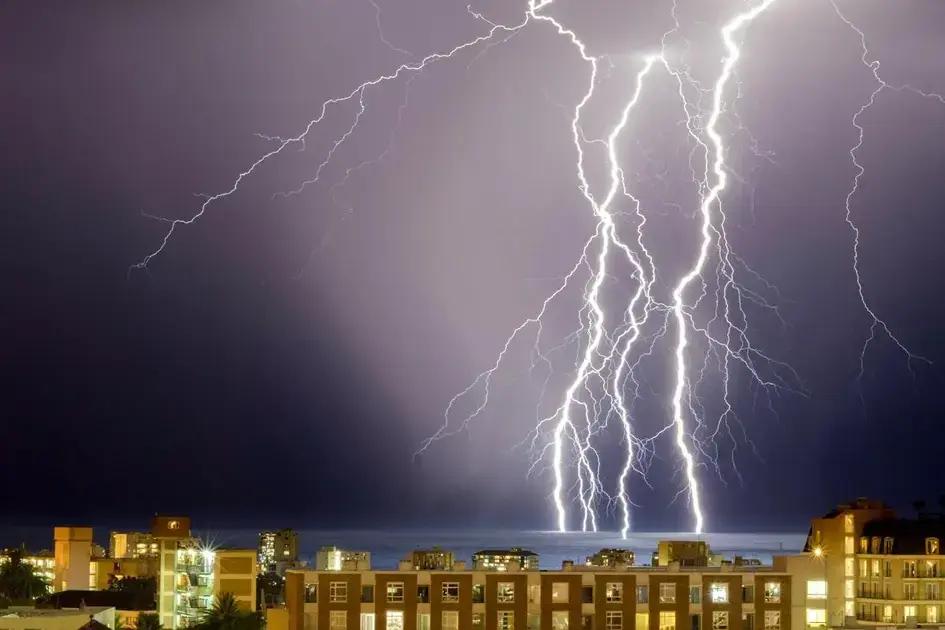
Smallholder farmers in Caribbean nations face significant risks from extreme weather events like hurricanes and droughts. Traditional insurance often isn’t a perfect fit due to high costs or slow payout processes, which can be devastating when immediate funds are needed to recover and replant. This is where parametric weather insurance has shown great promise.
Consider a group of farmers growing bananas or coffee. Their livelihoods are directly tied to favorable weather. A major hurricane can wipe out an entire season’s crop in hours. With a parametric insurance policy, the trigger might be set to a specific wind speed recorded by a regional meteorological station or a certain deficit in rainfall measured by satellite data over their farming area.
Rapid Relief When It Matters Most
Let’s imagine a Category 3 hurricane passes, and the recorded wind speeds exceed the pre-agreed threshold. Within days, not weeks or months, these farmers could receive a pre-determined cash payout. This isn’t for the specific value of lost crops, but a fixed sum to help them manage the immediate aftermath. They can use these funds to buy new seeds, repair essential small-scale irrigation, or cover living expenses until they can get back on their feet.
This rapid injection of capital is crucial. It allows farmers to restart operations much faster, preventing a deeper slide into poverty and increasing their overall resilience against climate shocks. The indexed weather payout, triggered by objective data, removes the uncertainty and delays often associated with traditional loss assessments, providing a vital financial bridge in times of crisis.
Benefits for agribusiness, energy, and tourism sectors
Parametric weather insurance offers significant advantages across various sectors highly susceptible to weather-related disruptions. The ability to receive fast, pre-agreed payouts based on specific weather triggers can be a financial lifeline, ensuring business continuity and rapid recovery.
Agribusiness: Protecting Crops and Livelihoods
For farmers and agricultural businesses, this insurance can be transformative. Imagine a drought severely impacting crop yields. A parametric policy triggered by low rainfall levels, measured by an indexed weather payout system, can provide funds quickly. This allows farmers to purchase feed for livestock, invest in irrigation, or cover operational costs until the next harvest, safeguarding their income and food security. It’s not just about crop loss; it’s about maintaining the farm’s viability.
Energy Sector: Minimizing Disruption
The energy sector, especially renewables like solar and wind, is inherently weather-dependent. A prolonged period of low wind or insufficient sunlight can significantly impact energy generation and revenue. Parametric policies can be structured to pay out if, for example, average wind speeds fall below a certain threshold for a set duration. For traditional energy infrastructure, payouts triggered by extreme events like hurricanes damaging pipelines or power lines can fund swift repairs and minimize downtime.
Tourism Industry: Safeguarding Seasonal Income
Tourism operators, from beach resorts to ski lodges, often rely heavily on predictable weather patterns. A hurricane forcing a coastal resort to close during peak season or a lack of snow shuttering a ski area can lead to substantial financial losses. Parametric insurance can cover these non-damage business interruption costs. If a named storm hits or a pre-defined lack of snowfall occurs, the policy pays out, helping businesses manage operational expenses, refund customers, and recover more quickly for the next season. This rapid liquidity helps protect jobs and local economies reliant on tourism.
Common pitfalls and how to avoid basis risk
While parametric weather insurance offers the significant advantage of rapid payouts, it’s important to be aware of potential pitfalls. One common issue is a misunderstanding or poor definition of policy triggers. If the chosen data source, like a specific weather station, is too far from your actual area of concern, or if the trigger event (e.g., 2 inches of rain) doesn’t accurately reflect the conditions that cause you financial loss, the policy might not perform as expected. Another pitfall is treating parametric insurance as a complete substitute for all other types of insurance; it often works best as a strategic supplement for specific, well-defined risks, not a catch-all solution.
Understanding Basis Risk: The Core Challenge
The most critical concept to grasp is basis risk. This refers to the potential mismatch between the payout from your parametric policy and the actual financial loss you experience. Basis risk occurs because the insurance pays out based on an objective, pre-defined index (like wind speed recorded at a specific airport or rainfall at a particular gauge), not on your individual, verified damage or loss amount.
For example, your farm might suffer significant hail damage, but if your parametric policy is triggered only by rainfall exceeding a certain threshold at a nearby weather station, and that threshold isn’t met, you wouldn’t receive a payout despite your loss. Conversely, the weather station might record an event that triggers a payout, but your specific property might have been spared any significant damage. This discrepancy is basis risk – the insurance trigger (the ‘basis’) doesn’t perfectly correlate with your actual loss experience.
How to Mitigate and Manage Basis Risk
While eliminating basis risk entirely is difficult, you can take steps to minimize it. The most effective strategy is careful and precise policy design. Work closely with your insurer or broker to select trigger parameters and data sources that are as geographically close and relevant to your specific insured interest as possible. For example, if you’re insuring a coastal property against hurricane wind damage, ensure the trigger is tied to wind speeds from a reliable station that accurately reflects conditions at your location, rather than one miles inland.
Discuss the possibility of using more localized data sources or even customized indices if available. Understanding the historical correlation between the proposed index and actual past losses in your area can also be insightful. Ultimately, accepting that an indexed weather payout offers speed and certainty in exchange for some potential basis risk is key to effectively using this type of coverage.
Regulatory landscape and tax implications to watch
As parametric weather insurance gains traction, it’s navigating an evolving regulatory landscape and presents unique tax considerations. Policyholders should stay informed about these aspects to ensure compliance and fully understand their coverage.
Regulatory Watchpoints
The rules governing parametric products can differ from traditional insurance and may vary by jurisdiction. Regulators are keen to ensure consumer protection, focusing on the clarity of policy triggers and the reliability of data sources. They want to make sure that what you’re buying is transparent and fair. Some key areas of regulatory interest include the financial stability of the insurers offering these products and how these policies are marketed, especially to ensure there’s no misunderstanding about what an indexed weather payout covers versus traditional indemnity.
In some regions, parametric products might even be classified differently from standard insurance – perhaps more akin to a financial derivative. This classification can impact the specific rules and oversight bodies involved. Therefore, understanding the local regulatory environment where your policy is issued is crucial.
Tax Implications to Consider
The tax treatment of both premiums paid and payouts received from parametric weather insurance can be complex. For businesses, premiums may be considered a deductible operating expense, similar to other insurance costs. However, payouts might be treated as taxable income. The key question is often whether the payout is offsetting a quantifiable loss or if it’s simply income based on a trigger event.
Because an indexed weather payout isn’t directly tied to proven financial losses in the same way traditional insurance is, its tax implications can be nuanced. It’s highly recommended that individuals and businesses consult with a qualified tax advisor in their jurisdiction. They can provide guidance based on the specific policy terms and the policyholder’s overall financial situation to ensure correct reporting and avoid unexpected tax liabilities.
Choosing the right insurer or insurtech partner
Selecting the right provider for your parametric weather insurance is a critical step. This decision impacts the reliability of your coverage and the smoothness of the payout process if a trigger event occurs. You’ll encounter both traditional insurance companies and newer, technology-focused insurtech firms offering these innovative products.
Key Considerations for Your Choice
When evaluating potential partners, look beyond just the premium. Consider their financial stability and reputation. Do they have a solid track record in the insurance industry, particularly with parametric products? Next, assess their expertise. Do they genuinely understand the specific weather risks you face and how an indexed weather payout can be structured effectively for your needs? An insurer familiar with local weather patterns for an agricultural policy, for instance, is invaluable.
Examine the clarity of the policy wording with a fine-tooth comb. Ensure you fully understand the trigger mechanisms, the specific data sources used for verification, and the payout calculation. A trustworthy partner will be transparent and able to explain these complex details simply. Also, inquire about their technology platform – how do they monitor data, and how automated and efficient is their claims and payout process? Efficient technology often underpins the promise of fast payouts. Look for providers who are clear about how they manage potential basis risk and help you select appropriate triggers.
Finally, don’t underestimate the importance of customer service and support. Will you have a dedicated point of contact? How responsive are they to queries? Choosing a partner who is communicative, knowledgeable, and supportive can make a significant difference, especially when you need to understand the nuances of your policy or if a trigger event occurs.
Practical checklist before signing a parametric policy

Before committing to a parametric weather insurance policy, it’s wise to go through a thorough checklist. This ensures you fully understand what you’re purchasing and how it will function when you might need it most. Taking these steps can help you avoid surprises and maximize the benefits of this innovative coverage.
Key Items for Your Pre-Signature Review
1. Precisely Define the Trigger: What exact weather event (e.g., wind speed, rainfall total, earthquake magnitude) at what specific, named location (e.g., which airport weather station, which seismic sensor) will activate the policy? Is this trigger clearly and unambiguously defined?
2. Confirm the Data Source: Which independent, third-party organization (like the National Weather Service or a specific satellite provider) is designated to provide the official data that confirms the trigger event? How reliable and timely is this data source?
3. Understand the Payout Structure: How much will the policy pay if the trigger is met? Is it a flat sum, or is it an indexed weather payout that varies with the intensity of the event (e.g., higher payout for stronger winds)? Ensure you understand the calculation method for any tiered payouts.
4. Evaluate Potential Basis Risk: How well does the defined trigger at the specified data source location actually correlate with the financial losses you are trying to protect against at your specific site of operations or interest? Discuss with your provider how to minimize this risk.
5. Scrutinize Policy Exclusions and Limitations: Are there any specific circumstances, conditions, or types of events that are excluded from coverage, even if a general trigger seems to be met? What are the policy limits?
6. Verify the Payout Process and Timeline: Once a trigger is officially confirmed, what is the exact process for the payout, and what is the committed timeframe for receiving the funds? This is a key advantage of parametric policies, so ensure it’s clearly stated.
7. Assess the Insurer’s Credibility: Research the financial strength, reputation, and experience of the insurance provider, especially their track record with parametric products and claims handling.
8. Review the Full Policy Document: Don’t just rely on marketing materials or summaries. Read the entire policy word-for-word to understand all terms and conditions before signing.
Fast Financial Relief: Is Parametric Weather Insurance a Fit for You?
Parametric weather insurance offers a modern solution for dealing with the financial impact of severe weather. Unlike older insurance types that can take a long time to pay, this coverage provides fast payouts. It kicks in when a specific weather event, like a hurricane reaching a certain wind speed or a set amount of rainfall, hits a pre-agreed mark. This means you can get access to cash quickly after a storm, helping you recover and rebuild much faster.
The system uses clear, indexed weather payout methods, so you know ahead of time how it works. This approach is already making a big difference for many, from farmers who need to buy new seeds right away, to businesses in tourism or energy that can’t afford long downtimes. The main idea is getting financial help when it’s most urgent, without complex claims processes.
It’s a powerful tool, but it’s important to be smart about it. Pay close attention to how the policy triggers are set up to make sure they match the risks you face – this helps avoid problems like basis risk. Going through a good checklist before you sign and picking a reliable insurance partner are key steps. These actions help make sure the insurance does its job when you need it.
If your business or livelihood is affected by the weather, exploring parametric weather insurance could be a very wise move. It offers a more predictable and quicker way to get financial support, helping you stand strong against unexpected storms.
FAQ – Your Questions Answered on Parametric Weather Insurance
What exactly is parametric weather insurance?
Parametric weather insurance is a type of coverage that pays a pre-agreed amount based on a specific, measurable weather event (like wind speed or rainfall amount) occurring, rather than based on the actual physical damage you suffer.
How is the payout amount decided with this insurance?
The payout is determined by an indexed weather payout system. Your policy will specify certain thresholds for a weather event (e.g., X inches of rain, Y mph wind speed), and if those thresholds are met or exceeded, a pre-set amount or a percentage of the insured sum is paid out automatically.
How quickly can I expect a payout after a storm?
One of the main benefits is speed. Once the independent data source confirms the trigger event (like the National Weather Service reporting a certain wind speed), payouts can often be processed within days, much faster than traditional insurance claims.
What is basis risk and why is it important?
Basis risk is the chance that your parametric policy trigger doesn’t perfectly match your actual financial loss. For example, the official weather station might not record the severe conditions you experienced locally, or you might suffer a loss from a weather peril not covered by your specific trigger. It’s crucial to design your policy carefully to minimize this.
Which types of businesses benefit most from parametric weather insurance?
Sectors highly vulnerable to specific weather events—such as agribusiness for drought or storms, the energy sector for low wind or sunshine impacting renewables, and tourism for hurricanes or lack of snow—can greatly benefit from the fast, predictable payouts.
What’s the biggest difference between parametric and traditional weather insurance?
The main difference is the payout trigger. Traditional insurance pays for your actual, itemized losses after an assessment, whereas parametric insurance pays a pre-set amount simply because a specific, defined weather event (the parameter) happened, regardless of your individual damage costs.