Toyota truck insurance for a Tacoma requires weighing comprehensive versus collision coverage by assessing unique risks, potential repair costs against deductibles, the influence of aftermarket modifications, regional hazards, and adjusting coverage as the vehicle ages to ensure optimal financial protection for your pickup.
Advertisement
Toyota truck insurance isn’t exactly dinner-table talk, but if you’ve just parked a shiny Tacoma in the driveway, you might wonder which coverage really has your back—comprehensive, collision or a bit of both?
what makes a tacoma’s risk profile unique
Your Toyota Tacoma stands out, and so does its insurance risk profile. It’s not just any truck; specific features and how owners use it make a difference to insurers. Knowing these unique points can help you understand your pickup coverage better.
Ready for Rough Terrain
One big reason people choose a Tacoma is its ability to go off-road. It’s built for adventure, from dusty trails to rocky paths. This also means there’s a higher chance of bumps, scrapes, or even bigger damage compared to a truck that only sees pavement. Insurers note this potential when they assess risk, even if specific off-road incidents aren’t always covered by basic policies.
The Tacoma is a popular truck, which is great, but this popularity can have a downside. Popular vehicles can sometimes be targets for theft, whether it’s the whole truck or specific parts like catalytic converters. This desirability is something insurance companies watch closely.
Custom Touches and Their Impact
Many Tacoma owners love to personalize their trucks. Think lift kits, bigger tires, or special bumpers. These modifications can change how the truck handles, how much it costs to repair, and even its safety. Insurance providers look at these custom additions because they can shift the truck’s original risk factors.
Advertisement
when comprehensive coverage pays off
Comprehensive coverage for your Toyota Tacoma truly proves its worth when unexpected, non-collision events happen. This is the part of your Toyota truck insurance that deals with damages your Tacoma might face even when it’s parked, or from hazards other than colliding with another vehicle.
When Nature Throws a Curveball
Imagine a sudden hailstorm pummels your new Tacoma, leaving dents across the hood and roof. Comprehensive coverage is designed to step in for these kinds of repairs. Or what if a strong wind snaps a large tree branch, and it lands right on your truck? This coverage typically handles that too. It also often covers damage from unfortunate encounters with wildlife, like hitting a deer, which can cause significant harm to your pickup.
Protection Beyond Collisions
It’s not just about acts of nature. Is your Tacoma at risk of theft or vandalism in your area? Comprehensive coverage is what you would turn to if your truck were stolen. It also generally helps with the costs if someone intentionally damages your truck, like keying the paint or breaking a window. Even damage from a fire (that isn’t a result of a collision) or from falling objects often falls under the umbrella of comprehensive. Essentially, it pays off when your Tacoma is damaged by a wide range of incidents that don’t involve you crashing into another car or object while driving.
collision scenarios every tacoma driver should consider
Collision coverage for your Toyota Tacoma is what helps pay to repair or replace your truck if it’s damaged in an accident with another vehicle or if it collides with an object, like a fence or a tree. It’s important regardless of who is at fault. Think about the common ways your Tacoma could get damaged.
Typical Collision Situations
Parking lots, for instance, are frequent spots for bumps and scrapes. Someone might ding your door, or you might misjudge a turn and scrape a pillar. Then there are on-road incidents: a rear-end collision in traffic, misjudging an intersection, or even a single-vehicle accident like sliding on a wet road and hitting a guardrail. These scenarios can range from minor cosmetic damage to more significant repairs. For a capable truck like the Tacoma, even off-road adventures can sometimes lead to collisions with rocks or other obstacles, potentially damaging the undercarriage or body panels.
Considering the value of a new Tacoma, having collision coverage provides a safety net. Repairs can be expensive, especially with modern vehicle technology. Collision coverage helps ensure that an accident doesn’t mean a massive out-of-pocket expense to get your pickup back in good shape. It’s about protecting your investment against the unpredictable nature of driving.
weighing deductibles against repair costs
When you choose your Toyota truck insurance, a key decision is the deductible. This is what you pay from your pocket for repairs before insurance helps out. It’s a balancing act: a higher deductible usually means a lower monthly insurance bill, but you pay more when you make a claim. A lower deductible means a higher bill, but you pay less if your truck gets damaged.
How Repair Costs Influence Your Deductible Choice
Think about how much repairs for your Tacoma might cost. Even a small bump can lead to a big repair bill, especially with new trucks that have sensors and special paint. If you have a $1,000 deductible and a repair costs $1,200, you pay $1,000. Your insurance pays the other $200. If the repair is $900, you pay it all because it’s less than your deductible. But if you had a $250 deductible for that $1,200 repair, you’d pay $250. Insurance would then cover $950. Your monthly insurance bill would be higher for this $250 deductible option.
Finding Your Sweet Spot
Think about your budget. Can you afford the monthly insurance bill? And can you afford to pay the deductible if your Tacoma gets damaged? For a new Tacoma, repairs can be costly. Some owners pick a lower deductible for peace of mind, even if the monthly bill is higher. Others who can cover smaller repairs themselves might pick a higher deductible to save money each month on their pickup coverage. It’s about balancing the premium savings against what you might pay for a repair.
how pickup coverage gaps can surprise new owners
Getting your new Tacoma insured feels like a big step, but sometimes there are unexpected holes in your pickup coverage. These gaps can lead to surprise bills if you’re not careful. It’s easy to assume “full coverage” means everything, but that’s not always the case, especially with a versatile truck.
When Custom Parts Aren’t Covered
Many Tacoma owners love to add custom touches – like special wheels, a lift kit, or an upgraded stereo. Standard Toyota truck insurance often only covers the truck as it was built at the factory. If these expensive extras are damaged or stolen, you might find they’re not fully paid for unless you’ve specifically added them to your policy. This can be a costly surprise.
Off-Roading? Your Policy Might Have Limits
Part of owning a Tacoma is the thrill of going off-road. But be aware: some insurance policies have strict limits or even exclusions for damage that happens when you’re not on a maintained public road. If you damage your undercarriage on a tough trail, you could discover your standard policy won’t help.
The Dreaded Loan or Lease Gap
If your Tacoma is brand new, there’s a good chance you owe more on your loan or lease than the truck is currently worth due to depreciation. If your truck is totaled, collision or comprehensive coverage pays its current market value. If this amount is less than what you still owe, that difference is the “gap.” GAP insurance is a separate coverage that can fill this void, but many new owners don’t realize they need it until a total loss occurs.
Personal Belongings Stolen from Your Truck
What if someone breaks into your Tacoma and steals your laptop or expensive tools? Your auto insurance policy is designed to cover your truck and its attached parts. Personal items inside your pickup are usually covered by your homeowners or renters insurance, not your auto policy. This is a common point of confusion that can lead to an unpleasant surprise.
bundling policies to reduce premiums
One smart way to manage the cost of your Toyota truck insurance is by bundling policies. This simply means buying multiple types of insurance, like your auto and home or renters insurance, from the same company. Insurers often reward this loyalty with a discount, which can lead to noticeable savings on your overall insurance expenses.
How Bundling Works to Your Advantage
Think of it like a package deal. When you bring more business to an insurance provider, they’re often willing to offer you a better rate on each policy. For Tacoma owners, this could mean combining your pickup coverage with your homeowners policy. The discount, often called a multi-policy discount, is applied to one or both policies, reducing your total premium. It’s a straightforward way to cut costs without sacrificing coverage.
More Than Just Cost Savings
Beyond the financial benefit, bundling can also simplify your life. Managing multiple policies with one insurer means one point of contact for questions, claims, or policy changes. You’ll have fewer bills to track and potentially a single online portal to manage everything. Before you decide, always compare the bundled price against what you might pay for separate policies from different companies to ensure you’re truly getting the best deal for your Tacoma.
factoring aftermarket mods into your coverage choice
If you’ve added custom touches to your Toyota Tacoma, like new wheels, a lift kit, or a high-end sound system, these aftermarket modifications need careful thought when choosing your Toyota truck insurance. Standard policies often cover your truck as it came from the factory, which might leave your expensive upgrades unprotected.
Why Mods Matter for Your Coverage
Aftermarket modifications can significantly increase your Tacoma’s value and, in some cases, its risk profile. If your modded truck is damaged or stolen, a basic policy might only pay to replace parts with stock equivalents, not your custom ones. This is where specific coverage for custom parts and equipment (CPE) becomes crucial. Without it, you could face a big financial gap if you need to repair or replace those cool additions.
Informing Your Insurer is Key
It’s essential to tell your insurance company about all modifications. Be upfront and detailed. Keep receipts and photos of your aftermarket parts. Some mods might slightly increase your premium because they raise the replacement cost or alter the truck’s performance, but not disclosing them could lead to claim denial or underpayment. Ensuring your pickup coverage accurately reflects your Tacoma’s actual value, including its mods, means you won’t be caught short if you need to make a claim. Ask about specific endorsements or riders to cover these custom investments.
regional hazards and their impact on tacoma insurance
Where you live and drive your Toyota Tacoma plays a surprisingly big role in your insurance costs. Insurance companies assess regional hazards – from weather patterns to crime rates – because these factors directly influence the likelihood of you needing to file a claim for your Toyota truck insurance.
Nature’s Impact on Premiums
If your Tacoma resides in an area frequently hit by hailstorms, hurricanes, tornadoes, or even significant flooding, this elevates the risk of damage. Comprehensive coverage, which handles non-collision incidents like weather damage, will often be priced higher in these locales. For example, coastal areas might see higher premiums due to hurricane exposure, while plains states might experience increased rates because of hail or tornado frequency. Even areas prone to wildfires or heavy snowfall can affect your rates, as these conditions pose unique risks to vehicles.
Urban Risks vs. Rural Realities
It’s not just about severe weather. Densely populated urban areas often have higher rates of vehicle theft and vandalism, which can increase the cost of your comprehensive pickup coverage. Furthermore, more cars on the road in cities usually lead to a higher frequency of accidents, potentially raising your collision and liability insurance costs. Insurers use very specific location data, often down to the ZIP code, to determine these risk levels. Therefore, the prevailing hazards in your specific region are a key factor in the price you pay to insure your Tacoma.
claim process tips to keep downtime short
When your Toyota Tacoma needs repairs after an incident, the last thing you want is a long wait. A smooth claim process can get you back on the road faster. Having the right Toyota truck insurance is the first step, but knowing how to navigate the claim can really speed things up.
Quick Steps for a Faster Claim
First, report the incident to your insurer immediately. The sooner they know, the sooner they can start working on your claim. Have your policy number ready. Take clear photos of any damage to your Tacoma and the scene, if it’s safe to do so. If another vehicle was involved, exchange insurance and contact information. If there are injuries or significant damage, a police report can also be very helpful and may be required.
Understanding your pickup coverage, including your deductible and whether you have rental car reimbursement, helps you make informed decisions quickly. When it comes to repairs, your insurer might suggest preferred shops. While you usually have the choice, using a network shop can sometimes streamline approvals. Maintain open communication with your adjuster and the repair facility. Respond promptly to their requests and don’t hesitate to ask for updates. Keeping organized records of all communications and documents is also a good habit that can prevent delays.
deciding when to adjust coverage as your truck ages
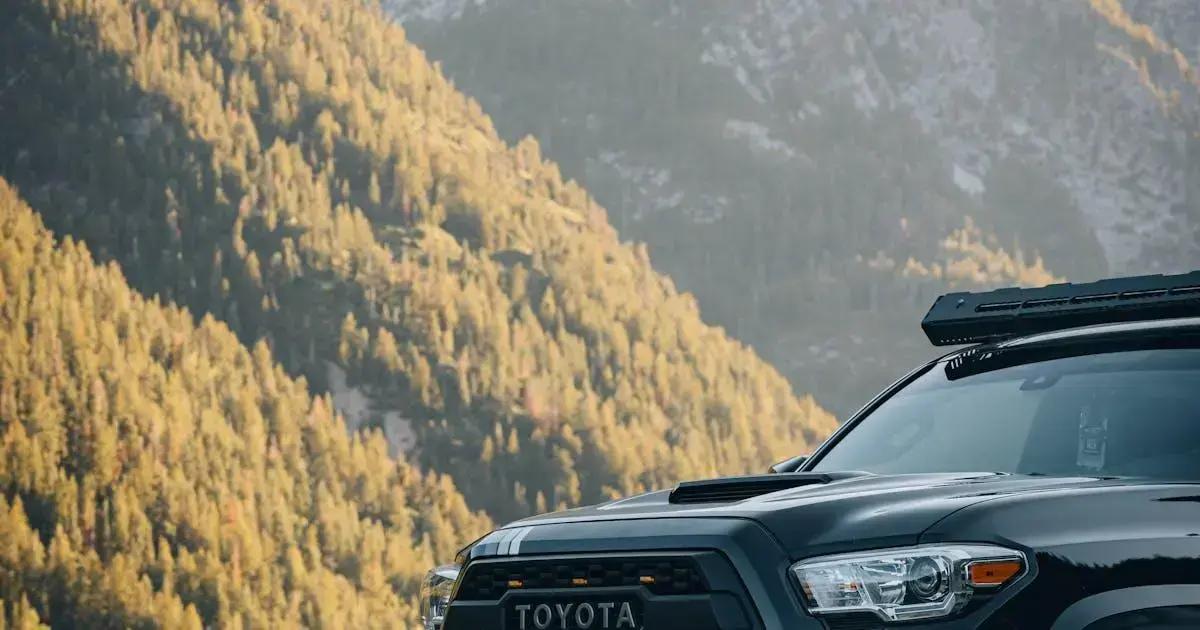
As your trusty Toyota Tacoma gets older, the Toyota truck insurance that made sense when it was brand new might not be the best fit anymore. It’s wise to review your coverage, especially comprehensive and collision, as your truck ages and its value changes. This can help you avoid overpaying for protection you might no longer need or can’t fully benefit from.
Considering Your Tacoma’s Current Value
The biggest reason to adjust coverage is your truck’s actual cash value (ACV). When new, your Tacoma is worth a lot, making comprehensive and collision crucial. However, vehicles depreciate over time. After several years, the ACV of your Tacoma might be significantly lower. If your truck’s value has dropped to a point where it’s not much more than your deductible, or if the cost of comprehensive and collision coverage for a year is a large chunk of what you’d get in a total loss claim, it might be time to reconsider.
When to Drop or Adjust Coverage
A common rule of thumb is to think about dropping collision or comprehensive when your annual premium for that coverage is 10% or more of your truck’s current value minus your deductible. For example, if your Tacoma is worth $5,000, your deductible is $500, and your annual comprehensive and collision premium is $450 or more, you are essentially paying that much for a potential $4,500 payout. At some point, it might be more cost-effective to save that premium money and cover potential repairs yourself, especially for an older pickup. Regularly check your Tacoma’s market value and compare it to your premium and deductible to make an informed decision about your pickup coverage.
Steering Clear: Final Thoughts on Your Tacoma’s Coverage
Figuring out comprehensive versus collision for your Toyota Tacoma isn’t just a small choice; it’s about smart protection. We’ve explored how your truck’s unique traits, where you drive, and even those cool aftermarket mods can all tip the scales. Think about the repair costs versus your deductible, and watch out for those surprising pickup coverage gaps.
Bundling policies might offer savings, and remember to adjust your Toyota truck insurance as your Tacoma ages. Ultimately, the best coverage is the one that fits your specific situation and budget. By considering these factors, you can confidently choose the right shield for your truck, ensuring peace of mind on every road and trail ahead.
FAQ – Toyota Tacoma Insurance: Comprehensive vs. Collision
What’s the main difference between comprehensive and collision coverage for my Toyota Tacoma?
Collision coverage helps pay for damage to your Tacoma if it collides with another vehicle or an object, like a fence or tree. Comprehensive coverage helps pay for damage from non-collision incidents, such as theft, vandalism, hail, fire, or hitting an animal.
How do aftermarket modifications like a lift kit or custom wheels affect my Tacoma insurance?
Aftermarket modifications can increase your Tacoma’s value and potentially its risk profile. You should inform your insurer about all mods to ensure they are adequately covered, often through a specific endorsement for custom parts and equipment, as standard policies might not cover their full value.
Should I choose a higher or lower deductible for my Tacoma’s insurance policy?
Choosing a higher deductible typically lowers your monthly insurance premium, but you’ll pay more out-of-pocket if you make a claim. A lower deductible means a higher premium but less to pay at claim time. Weigh your budget against potential repair costs for your Tacoma.
Does where I live impact the cost of my Toyota Tacoma insurance?
Yes, regional hazards significantly affect insurance rates. Areas with higher risks of theft, vandalism, severe weather (like hail or floods), or more frequent accidents generally have higher premiums for comprehensive and collision coverage.
What is a common insurance gap new Toyota Tacoma owners might overlook?
One common gap is not having Guaranteed Asset Protection (GAP) insurance. If your new Tacoma is totaled, standard insurance pays its current market value. If you owe more on your loan/lease than that value, GAP insurance covers the difference. Another is assuming personal items stolen from the truck are covered by auto insurance; they’re usually covered by homeowners/renters insurance.
My Tacoma is several years old now. Should I still keep full comprehensive and collision coverage?
As your Tacoma ages, its market value decreases. You might consider adjusting or dropping comprehensive and collision coverage if the annual premium for these coverages becomes a significant percentage of your truck’s current value, especially if the value is close to or less than your deductible.